Tucson Roofing Cost: A Comprehensive Analysis
Introduction
In today's world, understanding the financial implications of various construction and renovation projects is paramount for both homeowners and businesses alike. Among these, the 'Tucson roofing cost' has emerged as a critical factor influencing decisions related to residential and commercial rooftops. This article aims to provide an in-depth exploration of this topic, offering valuable insights into its definition, global impact, economic considerations, technological advancements, regulatory frameworks, challenges, case studies, and future prospects. By delving into these aspects, readers will gain a comprehensive understanding of the multifaceted world of Tucson roofing costs and their implications.
Understanding Tucson Roofing Cost
Definition: Tucson roofing cost refers to the collective expenses associated with installing, repairing, or replacing roofs in the city of Tucson, Arizona, USA. This includes materials, labor, permits, and other related fees. It is a comprehensive measure that captures the financial burden on property owners seeking to enhance or maintain their rooftops.
Core Components:
- Materials: The cost of roofing materials such as tiles, shingles, metal sheets, underlayments, and flashing.
- Labor: Wages for roofers, including contractors and their teams, involved in installation, repair, or replacement work.
- Permits and Fees: Various government-imposed permits, inspections, and fees required for roofing projects to ensure compliance with building codes and regulations.
- Overhead and Profit: Business expenses and the contractor's profit margin, which cover administrative costs, insurance, and other operational expenditures.
Historical Context: The Tucson roofing market has evolved over the years, influenced by local climate conditions, architectural trends, and economic fluctuations. Historically, the region's hot, arid climate led to a preference for reflective and energy-efficient roofing materials. In recent times, the demand for environmentally friendly options and advanced durability has shaped the industry.
Significance: Understanding Tucson roofing cost is essential for several reasons:
- Financial Planning: Property owners can make informed decisions regarding budgeting for roofing projects.
- Contractor Selection: It aids in evaluating contractor proposals and ensuring competitive pricing.
- Market Analysis: Businesses in the construction sector gain insights into local market dynamics and pricing strategies.
- Regulatory Compliance: Understanding fees and permits helps property owners navigate legal requirements.
Global Impact and Trends
Tucson roofing cost, though locally specific, is influenced by global trends and international practices. The following factors play a significant role in shaping the industry:
- Material Sourcing: Global supply chains impact the availability and pricing of roofing materials. For instance, shortages or fluctuations in the cost of oil can affect the price of asphalt shingles.
- Technological Innovations: International advancements in roofing technology often trickle down to local markets, influencing material choices and installation methods.
- Climate Change: Shifts in regional climates globally can lead to changes in local roofing preferences. For instance, increased rainfall in Tucson might drive demand for water-resistant roofing materials.
Regional Variations:
- North America: The US, Canada, and Mexico exhibit similar roofing trends due to shared building codes and material availability. However, regional differences in climate and architectural styles lead to variations in cost.
- Europe: European countries have diverse roofing preferences, with a focus on traditional materials like clay tiles in some regions and modern, energy-efficient options elsewhere.
- Asia: Rapid urbanization and economic growth in Asia drive demand for both traditional and modern roofing solutions, impacting material costs and labor rates.
Economic Considerations
The Tucson roofing market is integral to the local economy, employing numerous contractors, suppliers, and laborers. Here's an analysis of key economic aspects:
Market Dynamics:
- Competition: The Tucson roofing market is competitive, with several established contractors and newer entrants. This competition often translates to better pricing for consumers but requires efficient operations to stay profitable.
- Seasonality: Roofing projects typically peak during the spring and summer months when weather conditions are favorable. This seasonal demand can impact labor availability and pricing.
- Market Growth: Tucson's growing population and increasing construction activities drive market expansion, creating opportunities for roofing businesses.
Investment Patterns:
- Residential vs. Commercial: Residential roofing accounts for a significant share of the market due to the high number of homes in Tucson. Commercial roofing projects, though smaller in quantity, offer higher profit margins.
- Government Incentives: Local and federal government incentives for energy-efficient roofing can stimulate demand and influence material choices.
Economic Impact:
- Job Creation: The industry supports numerous local jobs, contributing to employment rates and skill development.
- Revenue Generation: Roofing businesses generate substantial revenue, contributing to the city's tax base.
- Supply Chain Support: Local suppliers of roofing materials benefit from the industry's growth, fostering a robust local economy.
Technological Advancements
Technological innovations have revolutionized Tucson roofing, offering improved performance, durability, and efficiency. Key advancements include:
- Energy-Efficient Materials: Cool roofs, made with reflective materials, help reduce energy consumption by minimizing heat absorption. This technology is particularly relevant in Tucson's warm climate.
- Smart Roofing Systems: Integration of IoT (Internet of Things) devices allows real-time monitoring of roof health, leak detection, and remote control of certain functions.
- Drone Technology: Drones are employed for detailed roof inspections, providing high-resolution images and data for accurate assessments.
- 3D Modeling Software: This tool enables contractors to design and visualize roofs, improving efficiency and precision during installation.
Impact on the Industry:
- Improved Efficiency: New technologies streamline roofing projects, reducing labor costs and project timelines.
- Enhanced Durability: Advanced materials and methods increase the lifespan of roofs, lowering long-term maintenance expenses for homeowners.
- Environmental Benefits: Eco-friendly options reduce the environmental footprint of construction activities.
Policy and Regulation
Local governments in Tucson play a pivotal role in regulating roofing practices to ensure safety, quality, and sustainability:
- Building Codes: The City of Tucson's building codes dictate minimum standards for roofing materials, installation methods, and safety measures. These codes ensure structural integrity and fire resistance.
- Zoning Regulations: Zoning laws control the types of roofing materials allowed in different areas, often influenced by neighborhood aesthetics and environmental considerations.
- Permits and Inspections: All roofing projects require permits from relevant authorities, who conduct inspections to verify compliance with building codes and safety standards.
- Energy Efficiency Standards: Tucson has adopted energy efficiency standards for roofs, encouraging the use of cool roofs and other eco-friendly options.
Regulatory Compliance: Property owners must understand these regulations to ensure their roofing projects meet legal requirements. Non-compliance can result in fines, project delays, or the need for costly retrofits. Contractors also play a vital role in staying updated with changing policies to provide compliant services.
Challenges and Criticisms
Despite its growth, the Tucson roofing industry faces several challenges:
- Labor Shortages: The demand for skilled roofers often exceeds supply, leading to labor shortages and increased contractor workloads. This can result in longer project timelines and higher costs.
- Material Cost Fluctuations: Volatile global markets can cause unexpected price swings for roofing materials, affecting project budgets.
- Environmental Concerns: Traditional roofing materials contribute to waste and environmental pollution. There is a growing need for eco-friendly alternatives.
- Inefficient Permitting Processes: Lengthy permitting times and complex procedures can delay projects, impacting both contractors and homeowners.
Proposed Solutions:
- Skills Development Programs: Investing in training programs to enhance the skills of existing workers and attract new talent can address labor shortages.
- Local Material Sourcing: Supporting local suppliers and promoting the use of recycled materials can reduce environmental impact and stabilize material costs.
- Streamlined Permitting: Digitalization and simplification of permitting processes can expedite project approvals, benefiting both industry players and property owners.
- Incentives for Eco-Friendly Practices: Offering incentives for homeowners adopting sustainable roofing practices can drive the industry towards more environmentally conscious solutions.
Case Studies
Case Study 1: Historic Downtown Tucson Renovation
Tucson's historic downtown area underwent a significant renovation project that included the replacement of aging roofs on several iconic buildings. The project aimed to preserve the architectural integrity while enhancing energy efficiency. Contractors utilized modern, reflective roofing materials and implemented smart roof monitoring systems. This case highlights the successful integration of technological advancements and sustainable practices in urban roofing.
Lessons Learned:
- Preserving History: Modern solutions should complement historical architecture, ensuring that renovation projects maintain the building's character.
- Energy Efficiency: Cool roofs and smart systems can significantly reduce energy consumption in commercial buildings.
- Community Engagement: Involving local stakeholders ensures project alignment with community values and aesthetics.
Case Study 2: Eco-Friendly Residential Roofing
A Tucson homeowner sought to replace their traditional roof with an environmentally friendly option. They opted for a green roofing system, featuring a layer of vegetation and a waterproof membrane. This case study demonstrates the growing trend of homeowners embracing sustainable roofing practices.
Results:
- Reduced Energy Bills: The cool roof reduced summer cooling costs by 30%.
- Enhanced Water Management: The green roof helped with stormwater management, reducing runoff and potential flooding risks.
- Increased Property Value: The unique roofing feature added to the home's curb appeal and market value.
Future Prospects
The Tucson roofing market is poised for growth and transformation, driven by several emerging trends:
- Smart Homes Integration: As the Internet of Things (IoT) continues to evolve, roofing systems will become increasingly connected, allowing homeowners to monitor and control various functions remotely.
- Customized Design: Advancements in 3D modeling and printing technologies enable more customized and complex roof designs, catering to individual preferences.
- Renewable Energy Integration: The integration of solar panels and other renewable energy sources into roofing systems is expected to gain momentum, offering property owners a sustainable and cost-effective solution.
- Digitalization of Services: Online platforms for contractor listings, project quotes, and customer reviews will enhance transparency and convenience in the industry.
Growth Areas:
- Residential Market: With a growing population, the residential roofing market is expected to expand, driven by increasing home construction and renovation activities.
- Commercial Green Roofs: The demand for energy-efficient and environmentally conscious commercial buildings will drive the adoption of green roofing systems.
- Rural Roofing: Tucson's surrounding areas, experiencing growth in agricultural and rural developments, will require specialized roofing solutions tailored to these settings.
Conclusion
Tucson roofing cost is a multifaceted topic that encompasses economic dynamics, technological advancements, regulatory frameworks, and market trends. Understanding this landscape is essential for both property owners and industry stakeholders. As Tucson continues to grow and evolve, the roofing market will play a critical role in shaping the city's construction and renovation activities. By embracing new technologies, addressing challenges, and adhering to sustainable practices, the industry can ensure a robust and resilient future.
FAQ Section
Q: How do I know if my roof needs replacement? A: Regular inspections by professionals can help identify signs of wear and tear, leaks, or structural damage, indicating the need for a replacement.
Q: What are the typical costs involved in roofing repairs? A: Repair costs vary widely depending on the extent of the damage. Simple fixes like patching leaks might cost around $100 to $300, while more complex repairs could range from $2,000 to $5,000 or more.
Q: Can I do my own roof repair? A: While some basic repairs are DIY-friendly, complex tasks like installing new roofing materials and ensuring proper flashing are best left to professionals for safety and durability.
Q: How can I make my roof more energy-efficient? A: Consider reflective or cool roofing materials, which reduce heat absorption. Additionally, implementing solar panels or adding insulation can significantly enhance energy efficiency.
Q: Are there any local incentives for energy-efficient roofing? A: Yes, Tucson offers various incentives, including tax credits and rebates, for installing energy-efficient roofs, encouraging homeowners to adopt eco-friendly options.
Category: tucson roofing cost

Tucson Roof Repair: Cost-Effective Solutions for Local Homes
Tucson's unique climate demands specialized roofing knowledge for leaks, damage repair, or repl.......
Read more →

Tucson Roof Repair: Cost, Maintenance & Expert Care
Tucson's climate demands specialized roofing considerations, impacting both material choices an.......
Read more →

Reliable Tucson Roof Maintenance: Cost-Effective Solutions for Homeowners
Tucson's arid climate poses unique roof maintenance challenges, driving up Tucson roofing cost........
Read more →

Tucson Roof Inspection & Repair Guide: Expert Tips & Cost Estimates
Tucson, Arizona's roof inspection regulations emphasize safety and property value through licen.......
Read more →

Certified Tucson Roofing Experts: Quality, Safety, and Cost Transparency
Tucson roofing market presents unique challenges driven by local climate and building codes, with va.......
Read more →
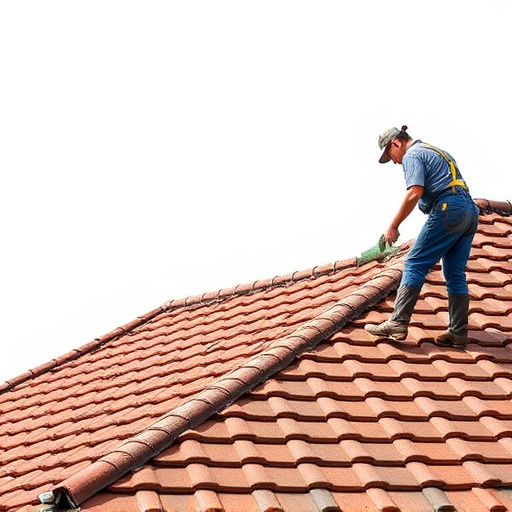
Tucson Roofing: Cost-Effective Installation & Repairs Guide
Tucson's roofing landscape demands robust solutions for hot summers, monsoons, diverse architec.......
Read more →
Tucson Roof Repair: Maintenance Tips & Cost Insights
Tucson's diverse climate demands strategic roof maintenance. Tucson roofing cost ranges from $5.......
Read more →
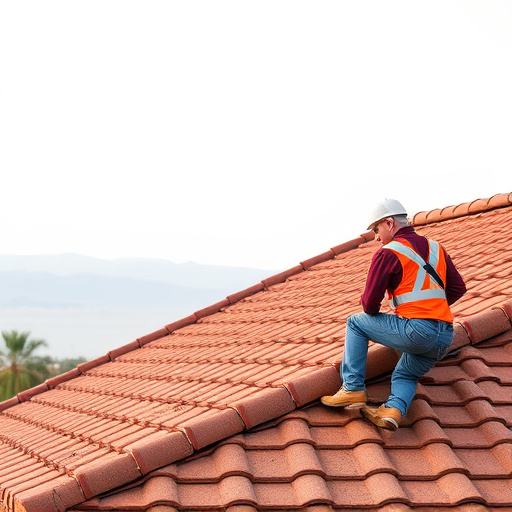
Tucson Roofing Experts: Costs & Residential Tips for Homeowners
Tucson residents navigating roofing needs face unique challenges due to diverse climates and landsca.......
Read more →

Tucson Roofing Cost: Experts Guide Quality Home Care
Tucson roofing cost varies based on project size, material type (e.g., asphalt shingles to metal or.......
Read more →