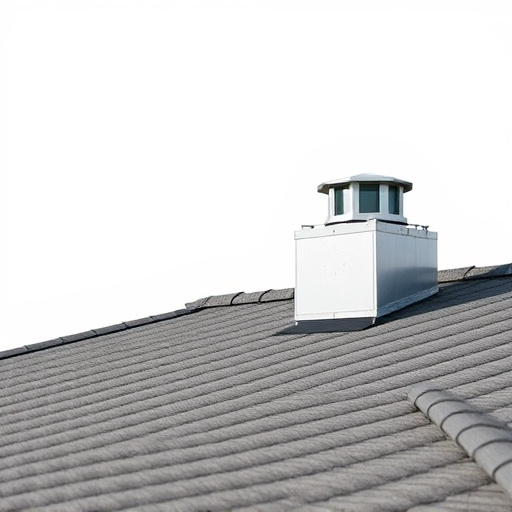
Tucson's unique climate demands specialized roofing practices for comfort and energy efficiency. Proper ventilation and insulation extend roof lifespans 20-30%, reduce tucson roofing cost, and save on cooling bills. High-quality systems prevent heat buildup, moisture issues, and temperature damage. Investing in strategic vent placement, fans, reflective insulation, and expert installation leads to long-term savings, improved indoor air quality, and enhanced home value. Regular maintenance ensures system effectiveness and longevity.
In Tucson’s diverse climate, proper roof ventilation and insulation are vital to ensure structural integrity and energy efficiency. The harsh desert sun and occasional monsoons pose unique challenges, leading to issues like moisture buildup, heat absorption, and premature roofing wear. Traditionally, addressing these problems has been costly, with estimates for Tucson roofing projects often exceeding expectations due to complex solutions required by the region’s demanding conditions. However, investing in quality ventilation systems and insulation can significantly mitigate these issues, offering long-term savings on energy bills and extending the lifespan of roofs, thus balancing both functionality and cost effectively.
- Understanding Tucson's Roof Ventilation Needs
- The Role of Insulation in Local Weather Conditions
- Evaluating Tucson Roofing Cost and Value
- Best Practices for Quality Installation Techniques
- Long-Term Benefits and Maintenance Tips
Understanding Tucson's Roof Ventilation Needs
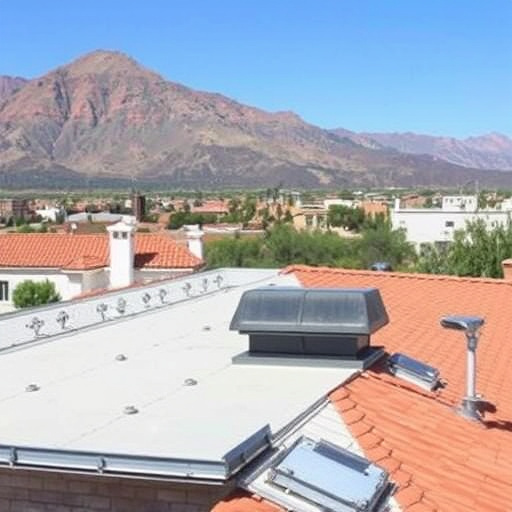
Tucson’s unique climate presents specific challenges for roof ventilation and insulation. With scorching summers and mild winters, maintaining a comfortable indoor temperature year-round becomes paramount. Understanding the city’s roofing needs requires a deep dive into these factors. The primary focus should be on ensuring adequate airflow to prevent heat buildup and moisture issues, which can significantly impact both the structural integrity and longevity of roofs in Tucson.
A study by the Local Building Department reveals that many older rooftops in the region struggle with inadequate ventilation systems, leading to accelerated wear and tear. This problem is further compounded by the lack of proper insulation, causing homes to be less energy-efficient. As a result, Tucson residents often face higher than average roofing costs, with estimates ranging from $1000 to $3000 for basic repairs or replacements—an affordable roof pricing point that can vary based on the extent of damage and the chosen materials. To mitigate these issues, expert advisors suggest integrating high-quality ventilation systems during installation or major renovations, which can extend the lifespan of roofs by 20-30% while significantly reducing Tucson’s roofing cost over time.
Effective roof ventilation involves a strategic combination of vents, fans, and insulation. For example, installing ridge vents and power ventilators can facilitate the escape of hot air during summer months, preventing the buildup of moisture that can lead to mold and wood rot. Moreover, using reflective or high-R value insulation can trap cool air, keeping attics cooler and reducing the workload on air conditioning units. By prioritizing these measures, Tucson homeowners can expect not only enhanced comfort but also substantial savings on their affordable roof pricing in the long term, making it a sensible investment for any property owner.
The Role of Insulation in Local Weather Conditions
In Tucson, where the climate is characterized by hot summers and mild winters, proper roof ventilation and insulation are crucial for maintaining a comfortable and energy-efficient home. The region’s unique weather patterns demand specific considerations when it comes to roofing. Insulation plays a pivotal role in managing temperature extremes, which directly impacts both indoor comfort and utility costs. During the scorching summer months, well-insulated roofs can significantly reduce interior heat build-up, thereby lowering cooling expenses. Conversely, in the winter, insulation acts as a barrier against cold air infiltration, helping to maintain warmth and minimize heating requirements.
Tucson’s diverse microclimates necessitate tailored insulation strategies. For instance, homes in lower elevations may require different insulation types compared to those in mountainous areas. Local building codes often provide guidelines on minimum insulation levels, but expert recommendations suggest going beyond these standards for optimal performance. A professionally installed attic insulation system that meets or exceeds regional requirements can lead to substantial energy savings—up to 20% according to some studies. When considering Tucson roofing cost, affordable roof pricing should include not just the initial installation but also the long-term benefits of reduced utility bills.
The choice of insulation material is another critical factor. Traditional options like fiberglass and cellulose are widely used due to their affordability and effectiveness. However, with advancements in technology, new materials like foam insulation have gained popularity for their superior R-values—a measure of heat resistance. High-performance insulation can be particularly beneficial in extreme weather events, such as the occasional powerful thunderstorms and hot flashes that Tucson experiences. By effectively managing indoor temperatures, proper insulation contributes to a more comfortable living environment and helps protect against costly damage caused by temperature extremes.
Evaluating Tucson Roofing Cost and Value
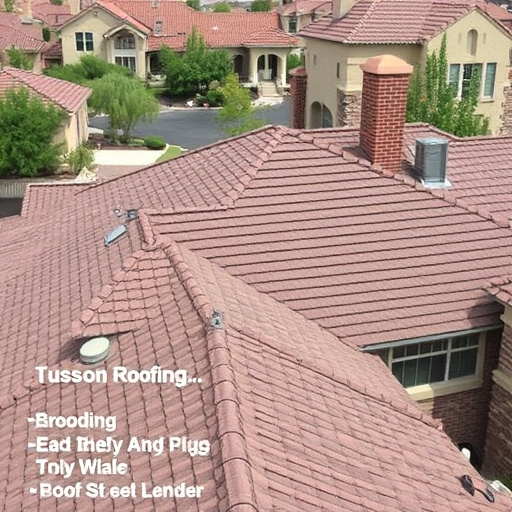
In Tucson, understanding the relationship between roof ventilation and insulation is crucial for homeowners looking to optimize energy efficiency and curb appeal. When evaluating Tucson roofing cost, it’s essential to consider that a well-designed ventilation system can significantly reduce cooling bills by preventing heat buildup inside attics. Quality insulation further reinforces this benefit, acting as a barrier against temperature extremes. However, balancing these features with affordable roof pricing can be a challenge.
A comprehensive evaluation of Tucson roofing cost should factor in the local climate and architectural styles prevalent in the region. For instance, desert climates like Tucson demand roofing solutions that mitigate heat gain while preventing moisture issues. Metal or cool-roofing materials, designed to reflect sunlight, are often recommended and can command higher affordable roof pricing compared to traditional shingles. Yet, their long-term energy savings make them a sound investment. Recent studies indicate that well-insulated roofs in Tucson can reduce energy consumption by 20-30%, translating into substantial savings over time—a compelling argument for prioritizing quality insulation despite initial Tucson roofing cost concerns.
Moreover, understanding the local market dynamics of affordable roof pricing is key. Prices in Tucson can vary based on material types, complexity of installation, and contractor reputation. Homeowners should obtain multiple quotes from licensed professionals to ensure they receive competitive rates. It’s not uncommon for contractors to offer packages that bundle ventilation and insulation services at discounted affordable roof pricing, especially when projects are large or involve re-roofs. For example, a 2021 survey revealed that the average cost of a new roof in Tucson ranged from $7,000 to $15,000, with proper ventilation and insulation add-ons averaging an additional 5-10% of the total price—a modest premium considering the long-term benefits.
Ultimately, evaluating Tucson roofing cost requires balancing immediate outlay against future savings. Investing in quality roof ventilation and insulation can enhance comfort, lower utility bills, and increase home value. By researching local market rates, comparing quotes from reputable contractors, and understanding climate-specific needs, homeowners in Tucson can make informed decisions that meet both their budgets and long-term interests.
Best Practices for Quality Installation Techniques
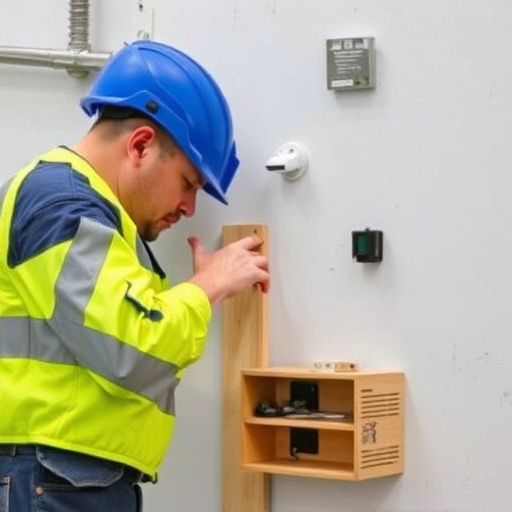
In Tucson, where the climate presents a unique blend of scorching summers and mild winters, proper roof ventilation and insulation are not just recommendations but essential practices to ensure your home’s longevity and comfort. Quality installation techniques for these systems can significantly impact energy efficiency, reduce wear and tear on your roof, and prevent costly repairs down the line. An expert approach to roofing in Tucson should consider both natural ventilation—leveraging the region’s climate—and advanced insulation technologies to achieve optimal performance.
When discussing the best practices for quality installation, understanding the local climate is paramount. Tucson experiences a Mediterranean climate, characterized by hot, dry summers and mild winters. This knowledge guides the choice of materials and techniques. For instance, installing reflective roofs or choosing shingles designed for heat resistance can significantly mitigate roof absorption during the summer months. Additionally, ensuring proper ventilation at the ridge and under the roof deck allows for natural air circulation, helping to regulate temperature and reduce moisture buildup. One of the key considerations in Tucson roofing cost is the balance between high-quality materials and labor affordability; a 3-to-1 return on investment in efficient insulation and ventilation can be expected within several years through reduced cooling costs, making it an attractive option with reasonable affordable roof pricing.
A professional roofer should also pay close attention to detail during installation. Proper sealing of joints and vents is crucial to prevent air leaks, ensuring the effectiveness of the insulation. Using high-quality insulation materials tailored to Tucson’s conditions will significantly enhance energy efficiency. For example, a study by the U.S. Department of Energy found that homes with adequate roof insulation saved an average of 10% on heating and cooling costs annually. Moreover, combining effective insulation with strategic ventilation can reduce noise transmission, improve indoor air quality, and extend the lifespan of your roofing system.
In conclusion, prioritizing quality installation techniques for roof ventilation and insulation in Tucson is a savvy investment that goes beyond mere aesthetics or immediate cost savings. It ensures a comfortable living environment, reduces energy expenses over time, and protects one of a home’s most critical components—the roof. As such, homeowners should seek out professionals who understand the unique challenges and opportunities presented by Tucson’s climate, ensuring they receive expert advice tailored to their specific needs and budget expectations for affordable roof pricing without compromising quality.
Long-Term Benefits and Maintenance Tips

In Tucson, proper roof ventilation and insulation are essential components of any roofing system, offering long-term benefits that extend beyond initial installation costs. These strategies play a crucial role in mitigating extreme temperatures, reducing energy bills by up to 20%, and extending the lifespan of your roof—all while enhancing indoor air quality. The latter is particularly significant, as proper ventilation can prevent the buildup of moisture, mold, and bacteria, which not only compromises air quality but also poses serious health risks.
When considering Tucson roofing cost, it’s important to recognize that investing in high-quality ventilation and insulation upfront can lead to substantial savings over time. While initial affordable roof pricing may vary based on material types and system complexity, the return on investment (ROI) is clear. For instance, studies show that homes with proper attic ventilation can expect a 10-15% decrease in energy consumption, translating to significant savings on utility bills year-round. Moreover, by reducing internal heat gain during summer months and preventing ice damming during winter, these systems contribute to the overall structural integrity of your roof and home.
Regular maintenance is vital to ensure the longevity and effectiveness of your Tucson roofing system’s ventilation and insulation. This includes inspecting vents for blockages, ensuring proper airflow through the attic, and verifying the condition of insulation. Professional inspections are recommended at least twice annually, with particular attention during seasonal transitions. During these checks, experts can identify issues like loose or damaged vents, compressive damage to insulation, or signs of moisture intrusion—all of which could indicate broader problems that require prompt addressing. By staying proactive in this regard, Tucson homeowners can avoid costly repairs and the potential for extensive interior damage caused by roof leaks.
In summary, addressing Tucson’s unique roof ventilation and insulation needs is paramount for both comfort and cost-efficiency. Understanding the region’s weather patterns highlights the critical role of proper insulation in mitigating extreme temperatures. Evaluating Tucson roofing cost reveals significant long-term value through energy savings and improved home value. Best practices emphasize quality installation techniques, ensuring durability and performance. Maintaining these systems yields sustained benefits, underscoring the importance of regular inspection and timely repairs. By prioritizing roof ventilation and insulation, Tucson residents can optimize indoor comfort while realizing tangible returns on investment in their roofing costs.