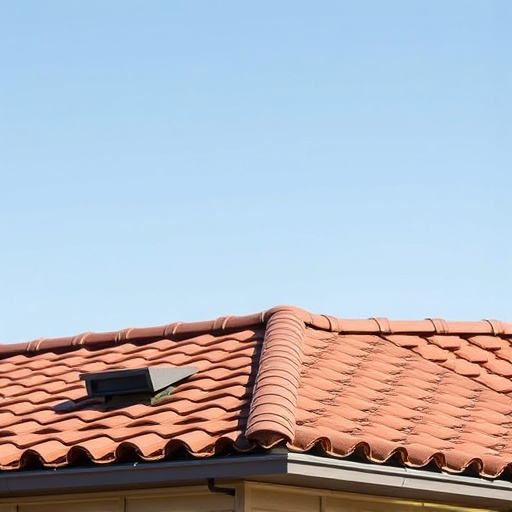
Tucson's harsh climate demands specialized roofing care, driving up tucson roofing cost. Key considerations: regular inspections (saving 30% on replacements), durable materials (enhanced metal, tile), material type influences cost ($75-$500/sq ft), and proactive maintenance (annual inspections to comprehensive services). Prioritize skilled labor and quality for a safe, long-lasting roof at competitive tucson roofing cost.
In Arizona’s diverse climate, proper roof repair and maintenance are paramount to safeguard homes and businesses against the elements. The harsh sun, frequent dust storms, and occasional severe weather can take a toll on roofing structures, leading to leaks, structural damage, and costly replacements if left unchecked. Tucson, with its unique challenges, demands expert knowledge to navigate the landscape of roof repairs. Understanding the nuances of local roofing requirements and the associated costs, such as Tucson roofing cost, is essential for property owners seeking to maintain or enhance their most valuable asset – their home or business structure. This article provides an authoritative guide to ensure informed decisions regarding quality roof repair and maintenance in Arizona.
- Understanding Tucson's Unique Roofing Challenges
- Comprehensive Roof Repair Strategies for Longevity
- Navigating Tucson Roofing Cost: Factors and Estimations
- Regular Maintenance: Protecting Your Arizona Investment
Understanding Tucson's Unique Roofing Challenges
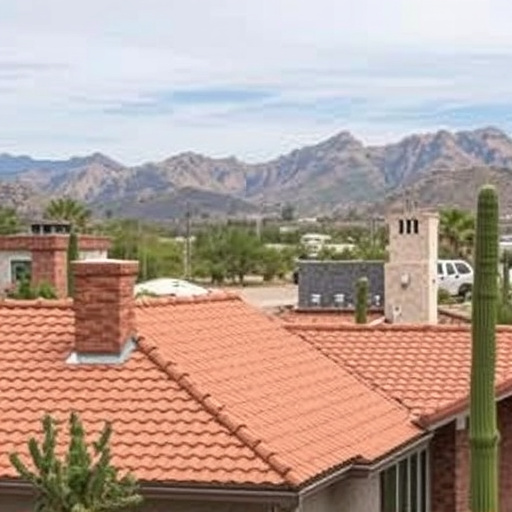
Tucson, Arizona’s vibrant landscape presents unique challenges for roof repair and maintenance. The city’s arid climate, with scorching summers and occasional severe storms, puts a significant strain on roofing systems. Additionally, the region’s high winds and dust storms can lead to debris accumulation and potential damage. These factors contribute to a higher than average Tucson roofing cost, as repairs and replacements become more frequent. According to recent data, residential roof repairs in Tucson often range from $3,000 to $7,500, with replacement costs varying between $8,000 and $15,000—prices that can be significantly influenced by the type of roofing material chosen.
Among the challenges, the region’s extreme temperature fluctuations are particularly noteworthy. During the summer months, intense heat can cause shingles to deteriorate faster, while rapid cooling at night may lead to increased moisture condensation inside attics, potentially causing insulation issues and further structural damage. As a result, proper ventilation becomes crucial in Tucson homes, impacting overall roofing costs. To address these challenges, homeowners should opt for affordable roof pricing that prioritizes durability and longevity, such as enhanced metal roofing or high-quality tile options, which can withstand the harsh conditions while offering better value over time.
Regular maintenance is also key to mitigating Tucson’s unique roofing concerns. Seasonal inspections should become a standard practice for homeowners, enabling early detection of issues like missing shingles, flashing damage, or signs of moisture intrusion. Proactive measures like these can prevent minor problems from escalating into costly repairs. In fact, studies show that routine maintenance can reduce the need for extensive roof replacements by up to 30%, saving Tucson residents substantial amounts on their affordable roof pricing. By understanding and addressing these specific challenges, homeowners can ensure their roofs remain in top condition despite Arizona’s demanding climate.
Comprehensive Roof Repair Strategies for Longevity
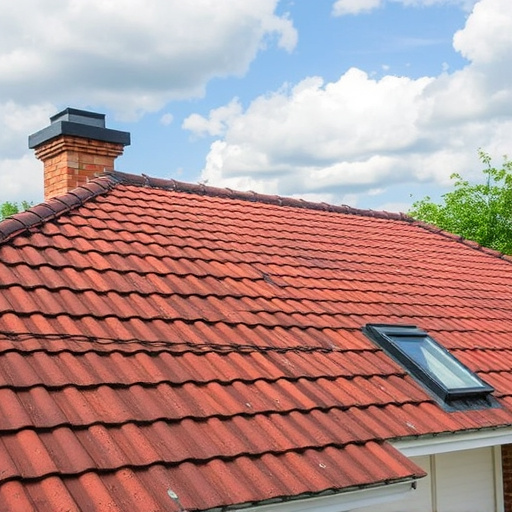
In Arizona’s demanding climate, where intense heat, powerful storms, and occasional freezes can all take a toll on your roof, comprehensive roof repair and maintenance are crucial for longevity. A well-maintained roof not only protects your home from the elements but also preserves its value. Tucson roofing cost, while varying based on project complexity, should be considered an investment rather than an expense when addressing repairs promptly. For instance, a study by the National Roofers Foundation found that regular maintenance can extend the lifespan of a roof by 40-60%, saving homeowners substantial costs in the long run.
Comprehensive roof repair strategies involve a multi-faceted approach. First and foremost, conduct routine inspections to identify any signs of damage, such as missing or damaged shingles, flashing issues, or moisture intrusion. Early detection allows for less invasive repairs, which translates to lower Tucson roofing cost. Affordability in roof pricing isn’t merely about low initial costs; it also considers the long-term savings from increased lifespan and reduced repair frequency. For minor damages, sealing or replacing individual components can be a cost-effective solution. Major repairs, however, may necessitate partial or complete roof replacement, with average affordable roof pricing ranging from $5,000 to $15,000, depending on the size and type of roofing material.
Regular maintenance also includes cleaning gutters and drains to prevent water buildup and potential roof damage. Additionally, re-sealing and painting metal or wood components can ward off corrosion and decay. It’s essential to work with licensed and experienced professionals who understand Arizona’s unique challenges. They can provide expert advice tailored to your property, ensuring repairs are both effective and affordable, even when comparing 1-3 times the average roof pricing for similar projects. Remember, proactive measures not only safeguard your investment but also ensure your family remains safe and secure under a robust, reliable roof.
Navigating Tucson Roofing Cost: Factors and Estimations
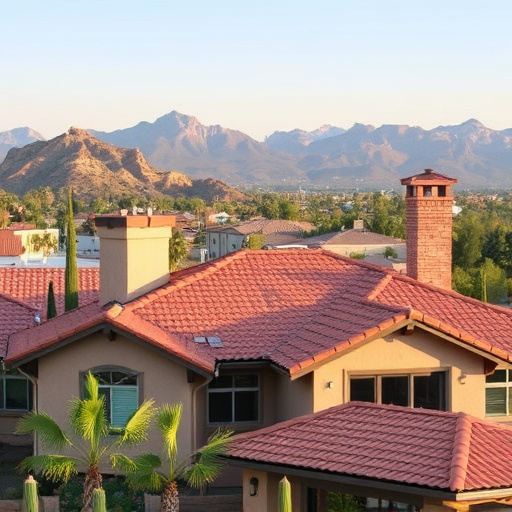
Navigating Tucson Roofing Cost: Understanding Factors and Obtaining Accurate Estimations
The cost of roofing in Tucson can vary significantly based on several factors, making it crucial for homeowners to understand these variables before embarking on a repair or replacement project. According to recent industry data, the average roof replacement in Tucson ranges from $5,000 to $10,000, with materials accounting for roughly 40-60% of this cost. The remaining expenses are primarily labor fees charged by professional roofing contractors. However, these figures can be misleading as various other elements influence the final price tag.
One primary factor is the type of roofing material chosen. Shingle roofs, for instance, are a popular and affordable option, with average costs ranging from $75 to $150 per square foot installed. Metal roofing, on the other hand, offers longevity but tends to be 2-3 times more expensive at $150 to $400 per square foot or more. Tile roofs, known for their aesthetic appeal and durability, also fall into the higher cost bracket, typically ranging from $200 to $500 per square foot. The complexity of the project’s scope is another significant determinant. Simple repairs like replacing missing shingles or sealing leaks might only incur labor costs of $100-300, while more intricate work such as re-shingling an entire roof or addressing steep slope challenges can dramatically increase expenses.
Obtaining accurate Tucson roofing cost estimates requires careful consideration and consultation with experienced contractors. Homeowners should request detailed quotes that break down material, labor, and any additional charges for debris removal or permits. Moreover, comparing multiple bids from reputable firms is essential to ensure competitive pricing. Keep in mind that while affordable roof pricing (1-3 times lower than industry standards) might seem appealing initially, it could compromise the quality of workmanship and materials used. In the long run, prioritizing skilled labor and durable products often proves more cost-effective and beneficial for your Tucson home’s safety and longevity.
Regular Maintenance: Protecting Your Arizona Investment
Regular maintenance is key to safeguarding your Arizona investment against costly repairs down the line. The harsh desert climate in Tucson presents unique challenges for roofs, with intense sunlight, fluctuating temperatures, and occasional extreme weather events putting a strain on roofing materials. A proactive approach can extend the lifespan of your roof while also offering peace of mind.
At its core, regular maintenance involves inspecting your roof for any signs of damage or wear. This includes checking for missing or damaged shingles, loose or broken flashing, and signs of moisture intrusion. Addressing these issues early on is crucial, as even minor problems can escalate into major repairs if left unattended. For instance, a simple leak in the corner might, over time, lead to extensive interior damage and costly roof replacement—a scenario that could have been avoided through routine checks. Tucson roofing cost for maintenance typically ranges from affordable pricing (1-2 times per year) for basic inspections to more comprehensive services costing around 3 times as much, depending on the extent of work required.
Implementing a preventative maintenance schedule can save homeowners significant time and money in the long run. This includes cleaning gutters to prevent water damage and ensuring proper ventilation, which reduces internal temperature differentials that can weaken shingles. Furthermore, re-sealing caulked joints and replacing any damaged or missing components promptly can significantly delay the need for a complete roof replacement. By prioritizing regular maintenance, Tucson residents can expect their roofs to withstand the area’s harsh conditions while maintaining optimal performance and retaining most of their original cost—a sensible investment strategy that offers both security and financial savings.
By addressing Tucson’s unique roofing challenges, implementing comprehensive repair strategies, and prioritizing regular maintenance, homeowners can significantly extend the lifespan of their roofs. Understanding the factors influencing Tucson roofing cost empowers informed decision-making. This article offers a robust framework for safeguarding Arizona investments through expert advice tailored to local conditions, ensuring both structural integrity and cost-effectiveness.