
Tucson's roofing market offers diverse solutions tailored to the Sonoran Desert climate. Tucson roofing cost varies widely based on material (asphalt shingles $3-$5/sq ft, metal $8-$15/sq ft), job complexity, size, and labor rates ($5,000-$15,000 for residential, up to $30,000+ for commercial). Quality, longevity, and aesthetics are key considerations. Regular maintenance extends roof life. Obtaining multiple estimates ensures competitive pricing. Choosing locally sourced materials and experienced contractors reduces costs. Trends include cool roofs and advanced durable materials, aligning with sustainability goals.
The roof is a home’s or business’ first line of defense against the elements, playing a crucial role in structural integrity, energy efficiency, and aesthetic appeal. In Tucson, with its diverse climate and varied architectural styles, navigating the landscape of residential and commercial roofing services can be daunting. Understanding the nuances of materials, designs, and costs is essential for making informed decisions. This article provides an authoritative guide to help property owners and managers navigate this complex space, focusing on reliable service providers and understanding the Tucson roofing cost dynamics to ensure projects are completed efficiently and affordably.
- Understanding Tucson's Roofing Landscape
- Types of Residential Roofs in Tucson
- Commercial Roofing: Tucson's Industrial Needs
- Factors Influencing Tucson Roofing Cost
- Choosing the Right Tucson Roofing Contractor
- Installation, Repairs, and Maintenance Tips
- The Future of Tucson's Roofing Trends
Understanding Tucson's Roofing Landscape

Tucson’s roofing landscape is a diverse and dynamic sector, serving both residential and commercial properties across the vibrant Sonoran Desert region. Understanding local market conditions is crucial when considering roof replacements or installations. The city’s unique climate presents specific challenges and opportunities for homeowners and businesses alike. For instance, intense summer heat and occasional winter storms demand robust and durable roofing solutions that can withstand extreme weather conditions.
The cost of roofing in Tucson varies widely depending on several factors. Material types play a significant role, with options ranging from affordable asphalt shingles to premium metal or tile options. According to recent industry surveys, the average roof replacement cost in Tucson hovers around $6,000-$12,000 for residential properties, with commercial roofs typically quoting 1-3 times higher due to more complex design and structural considerations. However, it’s not uncommon to find affordable roof pricing through local promotions or specialized contractors catering to budget-conscious clients.
When navigating Tucson’s roofing services, property owners should expect transparent pricing structures and detailed proposals. Reputable contractors will account for labor costs, material expenses, and any necessary permits or additional work required by building codes. For commercial projects, it’s advisable to request quotes from multiple specialists to gain a competitive edge on both price and service quality. This market diversity ensures that Tucson residents and businesses have access to tailored roofing solutions that meet their specific needs and budgets, be it for a modest home or a large-scale industrial facility.
Types of Residential Roofs in Tucson

Tucson’s climate presents unique challenges and opportunities for residential roofing. The region’s sunny, dry summers and occasional monsoon rains require roofs that can withstand both extreme heat and sudden deluges. Consequently, homeowners in Tucson often opt for durable, long-lasting materials. Shingles, metal, tile, and flat roofs are the most common types installed in the area.
Shingled roofs, popular due to their affordability and ease of maintenance, offer a range of styles from traditional asphalt to high-end ceramic or stone. Metal roofing has gained traction for its superior lifespan and energy efficiency benefits. It’s not uncommon for Tucson homeowners to see metal roofs that last 50 years or more with minimal maintenance, reflecting the region’s investment in long-term solutions. Tile roofs, known for their aesthetic appeal, are also prevalent in Tucson due to their ability to withstand intense heat. Though they may be slightly pricier than shingles or metal initially, tile roofs offer a distinct look and superior durability that can enhance home value.
When considering Tucson roofing cost, it’s crucial to understand that pricing fluctuates based on material type, complexity of the job, roof size, and local labor rates. According to recent industry surveys, affordable roof pricing in Tucson typically ranges from $3 to $8 per square foot for basic installations or repairs. For example, a 1500 sq. ft. roof replacement could cost anywhere from $4500 to $12,000 depending on material choices and project scope. Homeowners should request multiple quotes to ensure they’re getting competitive pricing aligned with their budget and needs. Regular maintenance, such as cleaning gutters and inspecting for damage, can also extend the life of any roofing system, saving on future Tucson roofing cost.
Commercial Roofing: Tucson's Industrial Needs

Tucson’s commercial roofing landscape presents unique challenges and opportunities for businesses across diverse industries. With a thriving economy and an expanding industrial sector, the demand for robust, durable, and cost-effective roof solutions is higher than ever. Commercial properties in this arid climate face specific risks, including intense sunlight that can accelerate material degradation and occasional extreme weather events that require resilient structures.
When it comes to commercial roofing services in Tucson, one of the primary concerns for business owners is the investment required—the Tucson roofing cost must balance quality, longevity, and affordability. According to recent market insights, average roof replacement costs for commercial properties in this region range from $15 to $30 per square foot, with premium materials and complex designs driving up prices. However, affordable roof pricing isn’t just about minimizing costs; it’s about ensuring a return on investment that provides long-term protection and peace of mind. Businesses should seek out roofing contractors who offer transparent pricing models and use high-quality materials to prevent costly repairs down the line.
A strategic approach involves evaluating different roofing systems based on their suitability for specific structures and environmental conditions. Flat roofs, popular in industrial settings due to their low pitch, require special considerations for water drainage and insulation to mitigate damage from extreme temperatures. Metal roofing, a growing trend in Tucson’s commercial sector, offers exceptional durability and reflectivity, potentially reducing energy costs. Moreover, choosing locally sourced materials can contribute to lower affordable roof pricing by streamlining logistics and supporting the regional economy. By understanding these nuances and partnering with experienced professionals who prioritize both quality and value, businesses can navigate the complex landscape of commercial roofing in Tucson effectively.
Factors Influencing Tucson Roofing Cost
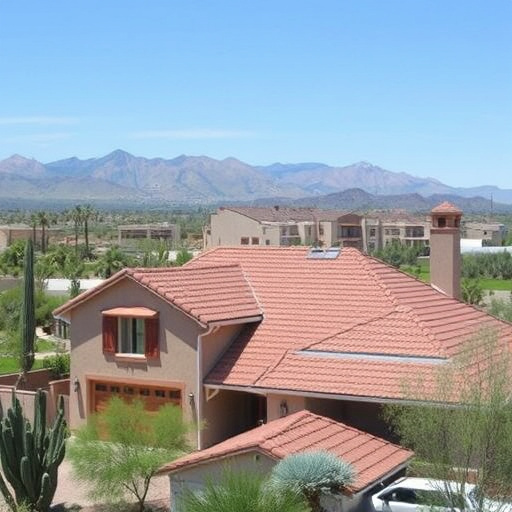
The Tucson roofing cost can vary significantly based on several factors, making it essential for homeowners and business owners alike to understand these variables before initiating any repair or replacement project. One of the primary influences is the type of roof system chosen; traditional materials like asphalt shingles are generally more affordable, with average costs ranging from $3 to $5 per square foot, while metal roofing, known for its durability, can command a premium, often priced between $8 and $15 per square foot. Similarly, the size and complexity of the project play a crucial role; larger roofs or those with unique architectural features may incur additional labor costs, potentially increasing the Tucson roofing cost by 10-20%.
Weather conditions are another critical aspect. In areas prone to severe storms or high winds, such as Tucson, reinforced roofing materials and additional structural supports might be necessary, adding to the overall price tag. Furthermore, accessibility can impact pricing; roofs that are difficult to reach due to terrain or building design may require specialized equipment and more skilled labor, making affordable roof pricing a challenge. On average, residential roof replacements in Tucson typically cost between $5,000 and $15,000, depending on these factors.
For commercial properties, the dynamics shift slightly. The larger square footage demands economies of scale, potentially lowering the Tucson roofing cost per square foot compared to residential projects. However, commercial roofs often have more stringent safety and code requirements, which can increase material and labor costs. Additionally, flat or low-slope roofs commonly found in commercial buildings necessitate specialized installation techniques and materials, further influencing affordable roof pricing. It’s not uncommon for commercial roof replacements in Tucson to range from $10,000 to $30,000 or more, depending on the specifics of the project.
Choosing the Right Tucson Roofing Contractor
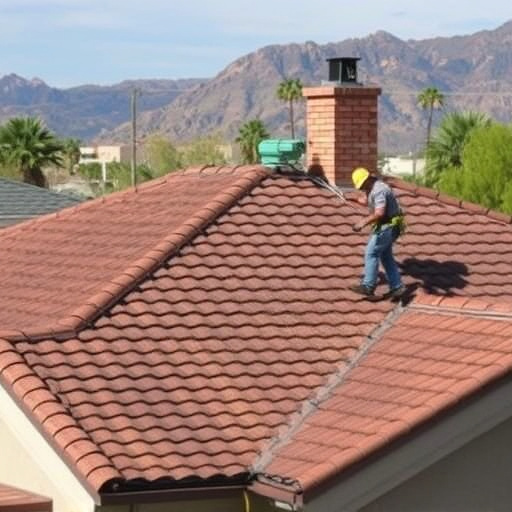
Choosing a Tucson roofing contractor is a significant decision, especially given the diverse climate conditions and varied roofing options in this region. Understanding the factors that influence Tucson roofing cost is crucial for any property owner looking to undertake a roof replacement or repair project. While initial estimates can vary widely, it’s important to note that affordable roof pricing shouldn’t be the sole factor; quality, longevity, and warranty should also guide your choice.
Tucson’s arid desert environment presents unique challenges, necessitating roofs designed to withstand extreme heat, high winds, and intense sunlight. Therefore, contractors specializing in local climate-appropriate materials and installation methods are best equipped to deliver durable results. Look for professionals offering a range of options from traditional asphalt shingles to energy-efficient metal or tile roofing solutions. According to recent industry surveys, the average cost for a new roof in Tucson typically ranges from $5,000 to $15,000, depending on the square footage and chosen materials. However, premium materials and specialized installations can drive costs upwards of $20,000.
When evaluating Tucson roofing contractors, consider their experience, insurance coverage, and customer testimonials. A well-established local company with a proven track record of successful projects is likely to provide better workmanship and aftersales support compared to an unfamiliar, solely online-based business. Moreover, checking the contractor’s licensing and insurance status ensures you’re protected against potential liabilities or substandard work. Many reputable contractors offer free estimates, so comparing affordable roof pricing from several providers can help you make an informed decision without breaking the bank. Remember that a quality roof is a long-term investment, safeguarding your property from the harsh Arizona elements while potentially enhancing its value.
Installation, Repairs, and Maintenance Tips

When it comes to roofing services in Tucson, whether for residential or commercial properties, understanding the installation, repair, and maintenance process is crucial. The cost of roofing in Tucson can vary significantly, with affordable roof pricing ranging from $50 to $150 per square foot, depending on several factors. These include the type of material used (asphalt shingles are commonly more budget-friendly than metal or tile), the complexity of the roof’s design, and labor costs specific to the region. For instance, a simple replacement project for a 2,000 sq. ft. residential roof might cost around $10,000 to $15,000, while larger, more intricate designs could push the price up to $20,000 or more.
Regular maintenance plays a vital role in prolonging the lifespan of your roof and ensuring it remains structurally sound. Seasonal inspections are recommended to check for any signs of damage, especially after severe weather events common to Tucson’s climate. Common issues include missing shingles, damaged gutters, or leaks. Prompt repair is essential; neglecting these problems can lead to more extensive (and costly) damages down the line. A professional roofer in Tucson should be able to provide a detailed assessment and maintenance plan tailored to your property’s needs.
When hiring a roofing contractor, it’s advisable to obtain multiple estimates to compare affordable roof pricing. This process ensures you get a fair deal and allows you to understand the typical range for your area. Look for licensed and insured companies with proven experience in both residential and commercial projects. With proper care and expert intervention, your Tucson property’s roof can offer many years of reliable protection against the elements.
The Future of Tucson's Roofing Trends
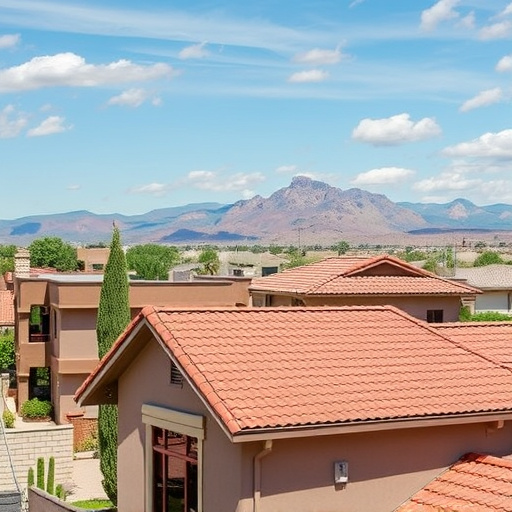
Tucson’s roofing landscape is evolving, driven by both functional needs and aesthetic preferences. As a city known for its diverse architectural styles, from modern adobe to mid-century ranch, the demand for versatile and visually appealing roofing solutions is on the rise. This trend towards customization and sustainability aligns with the increasing focus on energy efficiency and environmental consciousness among homeowners and businesses alike. The future of Tucson’s roofing trends promises innovative materials, advanced technology, and a greater emphasis on longevity and low tucson roofing cost—all aiming to meet the unique challenges and opportunities presented by our arid climate.
One prominent development is the integration of cool roofs, designed to reflect sunlight and reduce interior temperatures during the scorching summer months. These systems, often made from reflective or light-colored materials, not only lower energy consumption but also extend the lifespan of underlying roofing materials. For example, studies show that properties with cool roofs can experience up to 40% less heat gain compared to traditional dark-colored shingles. Moreover, as water conservation becomes a paramount concern in arid regions like Tucson, reflective roofs contribute to overall sustainability efforts by reducing the urban heat island effect and lessening the strain on local water resources.
Affordable roof pricing is another critical aspect shaping the future of roofing services in Tucson. With a growing awareness of financial constraints among both residential and commercial property owners, contractors are exploring innovative methods to provide high-quality roofs at competitive rates without compromising durability. This includes the adoption of advanced manufacturing techniques that streamline production and reduce labor costs, as well as the integration of longer-lasting materials that minimize maintenance and replacement expenses over time. By focusing on these strategies, Tucson’s roofing industry can offer more accessible solutions while ensuring that properties remain protected against the harsh environmental conditions characteristic of our region.
Tucson’s roofing landscape is diverse, offering various residential and commercial options tailored to unique local needs. Understanding the types of roofs prevalent in the region, from traditional shingles to metal, equips homeowners and businesses with crucial knowledge for informed decisions. The article highlights that Tucson roofing cost varies based on factors like materials, complexity, and size, emphasizing the need for detailed estimates. Choosing a qualified contractor is paramount, as their expertise directly impacts project outcomes and longevity. By adhering to best practices for installation, repairs, and maintenance—including regular inspections—residents can ensure optimal roof performance and longevity. Looking ahead, emerging trends suggest a focus on energy-efficient, low-maintenance solutions, aligning with the region’s evolving demands. This comprehensive guide equips readers with the insights needed to navigate Tucson’s roofing market confidently.