Tucson's unique climate dictates specific roofing demands, favoring durable materials like metal for heat reflection and wind resistance. The average tucson roofing cost for replacement ranges from $4,000 to $8,000, with high-quality options offering long-term savings through enhanced energy efficiency. Quality installation is vital, ensuring longevity against harsh conditions. Costs vary based on material, job complexity, and local factors, reaching up to $15,000. Regular maintenance, including inspections and cleaning, extends roof life by 20%, saving on future tucson roofing cost. Adhering to local regulations, which may mandate specific energy-efficient roofs, is crucial for compliance and streamlined projects.
In Arizona’s harsh climate, a quality roof is not just an investment—it’s a necessity. The state’s extreme temperatures, powerful storms, and sunlight exposure put immense strain on roofing materials, leading to frequent replacements and costly repairs. Tucson, with its unique environmental challenges, demands roofs that can withstand the test of time. This article delves into the world of superior roofing materials and expert installation practices tailored for Arizona’s demanding conditions. We’ll explore why high-quality roofs are essential and how they contribute to long-term savings, offering a practical guide for homeowners facing the crucial decision of Tucson roofing cost and material selection.
- Understanding Tucson's Unique Roofing Needs
- Top Quality Roofing Materials for Arizona Climate
- Expert Installation: Ensuring Longevity & Reliability
- Cost Analysis: Factors Influencing Tucson Roofing Prices
- Maintenance Tips for Optimal Roof Performance
- Local Regulations and Permits for Rooftop Upgrades
Understanding Tucson's Unique Roofing Needs
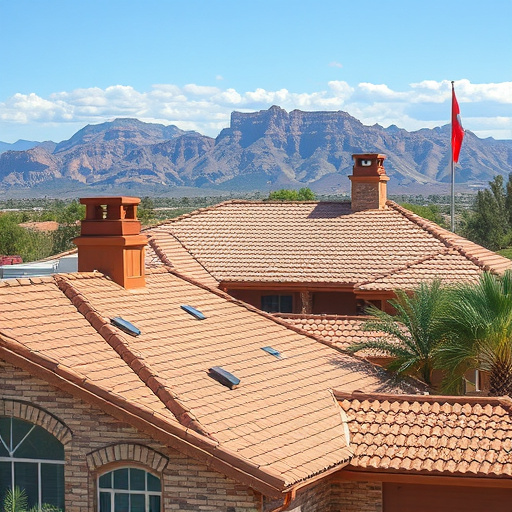
Tucson’s distinct climate and environmental conditions present unique challenges for roofing materials and installation. With scorching summers and mild winters, coupled with frequent desert winds and occasional monsoons, the city requires robust yet adaptable roof solutions. Understanding these specific demands is key to ensuring long-lasting and effective roofing in Tucson.
The primary consideration for Tucson residents is choosing materials that can withstand extreme heat and solar radiation. Traditional asphalt shingles, while common nationwide, may not be the best choice here due to their susceptibility to rapid degradation under intense sunlight. Metal roofing has gained popularity as a superior alternative, offering excellent durability and reflectivity, which can significantly reduce cooling costs year-round. Additionally, Tucson’s wind patterns necessitate stronger, more secure attachment methods for roofs to withstand frequent gusty conditions without damage or detachment.
When discussing Tucson roofing cost, it’s crucial to remember that affordable roof pricing doesn’t always equate to subpar quality. In fact, investing in high-quality materials and skilled installation can pay off in the long run, reducing maintenance needs and ensuring better performance. According to recent industry reports, the average roof replacement cost in Tucson ranges from $4,000 to $8,000, depending on the type of material and the size of the project. However, with careful planning and selection, it’s possible to find affordable roof pricing for durable, suitable options that meet the unique needs of this region.
Top Quality Roofing Materials for Arizona Climate
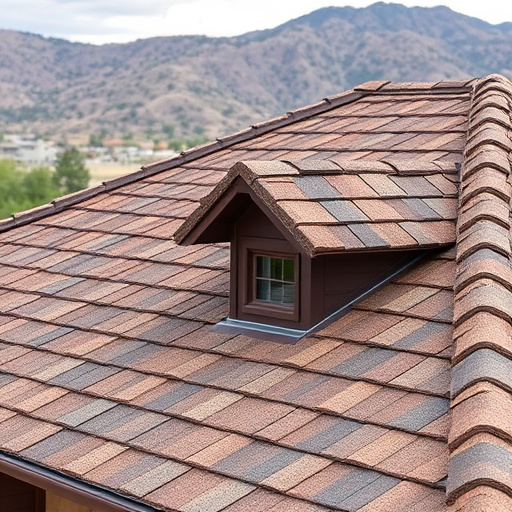
The Arizona climate presents unique challenges when it comes to roofing materials. With scorching summers and mild winters, along with frequent storms and high winds, a durable yet adaptable roof is essential for any property in this region. Choosing the right roofing materials can significantly impact both the longevity and energy efficiency of your home or business. In Tucson, where temperatures often surpass 100°F, a well-selected roof can also contribute to lower cooling costs.
One of the most popular choices for Arizona’s demanding conditions is reflective or cool roofs. These surfaces are designed to reflect rather than absorb sunlight, reducing heat transfer into the building. Metal roofing, in particular, has gained favor due to its exceptional durability and ability to withstand extreme temperatures. Modern metal roofs offer a wide range of styles and colors, from classic shingles to sophisticated tiles, making them an aesthetically pleasing option as well. Not only do they provide superior protection against the Arizona climate, but they also have a longer lifespan and require less maintenance compared to traditional roofing materials. According to industry studies, affordable roof pricing for high-quality metal roofs in Tucson can range from $10 to $20 per square foot, making it a cost-effective investment for long-term benefits.
Additionally, energy-efficient roofing options like foam or spray polyurethane offer exceptional insulation properties. These materials expand and create tiny air pockets that trap heat during colder months and reflect heat in warmer seasons. While the initial Tucson roofing cost for such advanced systems might be 1.5 to 3 times higher than traditional options, the long-term energy savings can offset these expenses significantly. For instance, a study by the U.S. Department of Energy found that homes with spray foam roofs saved an average of 20% on heating and cooling bills compared to conventional roofing. By choosing top-quality roofing materials tailored to Arizona’s climate, homeowners and business owners can ensure their properties remain comfortable and energy-efficient throughout the year.
Expert Installation: Ensuring Longevity & Reliability
In Arizona, where extreme temperatures and varying weather conditions pose unique challenges, expert installation of roofing materials is paramount to ensure longevity and reliability. A well-installed roof not only protects your home or business from the elements but also preserves its structural integrity and enhances energy efficiency. Tucson roofing cost can vary widely depending on the type of material chosen, the complexity of the installation, and local market dynamics. However, investing in expert installation is crucial to safeguard against potential leaks, early material degradation, and costly repairs down the line.
One of the key aspects of expert installation is utilizing high-quality materials suited for Arizona’s climate. This includes roofing options that can withstand intense sunlight, high winds, and fluctuating temperatures. Metal roofs, for instance, are growing in popularity due to their durability, energy efficiency, and low maintenance requirements. While Tucson roofing cost for metal roofs might be slightly higher than traditional materials like asphalt shingles, the longevity and performance benefits justify the initial investment. According to recent industry surveys, well-installed metal roofs can last 40-60 years with minimal maintenance, offering significant long-term savings compared to more conventional options.
Affordable roof pricing shouldn’t come at the expense of quality or reliability. Homeowners and business owners in Arizona should seek out roofing contractors known for their meticulous craftsmanship and use of industry-leading materials. A professional contractor will not only ensure proper installation but also provide valuable guidance on maintenance routines, helping to extend the life of your roof. By comparing quotes from multiple contractors and focusing on both upfront costs and ongoing value, you can secure a roof that balances affordability (1-3 times higher than average Arizona roof pricing) with exceptional performance, delivering peace of mind for years to come.
Cost Analysis: Factors Influencing Tucson Roofing Prices
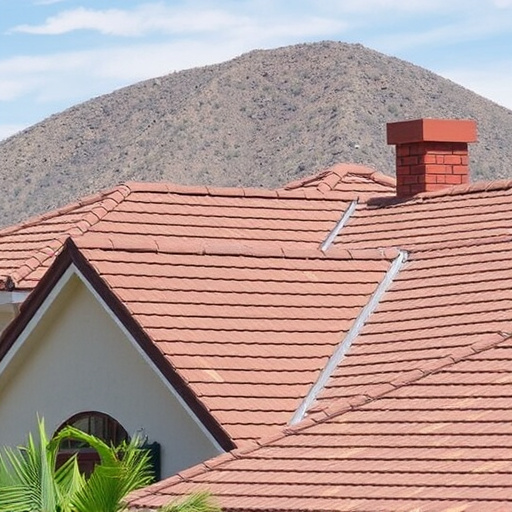
The cost of roofing in Tucson, Arizona, varies based on several factors, making it essential for homeowners to understand the dynamics of Tucson roofing cost before making a decision. While the average roof replacement or repair can range from $5,000 to $15,000, actual prices in Tucson may differ significantly due to regional considerations. One of the primary influences is the type of roofing material selected—shingled roofs, for instance, are more common but tend to be pricier than metal roofing options, which are gaining popularity for their durability and lower maintenance requirements.
Another crucial factor affecting Tucson roofing cost is the complexity of the job. Simple repairs or minor replacements may have affordable roof pricing in the range of $1,000 to $3,000, but major overhauls, such as re-roofs or installations on challenging slopes, can dramatically increase expenses. Weather patterns also play a role; areas prone to severe storms and high winds often necessitate more robust roofing systems, driving up costs accordingly. Moreover, local labor rates vary, impacting the overall price of any roofing project in Tucson.
To get an accurate estimate, homeowners should request quotes from several reputable Tucson roofing contractors. Compare not just the bottom line but also the scope of services, warranties offered, and each contractor’s experience with similar projects. Keep in mind that while finding affordable roof pricing is a priority, choosing the most cost-effective option without considering quality can lead to long-term problems. Ultimately, a well-planned roofing project that balances budget, durability, and local conditions will yield a safe and reliable rooftop for years to come.
Maintenance Tips for Optimal Roof Performance
Maintaining a quality roof is paramount for any Arizona homeowner, ensuring optimal performance and longevity against the state’s harsh climate conditions. Tucson roofing cost, while varying based on material and complexity, shouldn’t deter proper care practices that can extend the lifespan of your investment. Regular inspections are key; identifying issues early prevents costly repairs later. Check for loose or damaged shingles, signs of moisture intrusion, and any structural weaknesses. Annual maintenance, especially in our dry climate, allows for quick fixes and prevents small problems from becoming major headaches.
One effective strategy is establishing a routine cleaning schedule. Removing accumulated debris like leaves and branches not only enhances aesthetic appeal but also prevents blockages that could lead to water damage. A soft-bristled brush or vacuum attachment can tackle these tasks safely and efficiently. Additionally, regular cleaning ensures your roof’s ventilation systems remain unobstructed, allowing heat to escape during summer months and preventing ice buildup in winter, thereby reducing wear and tear.
When considering Tucson roofing cost, remember that preventive maintenance translates directly into long-term savings. Investing in high-quality materials initially plays a significant role in durability. For instance, asphalt shingles, popular due to affordability (affordable roof pricing), require more frequent replacement than metal or tile options. Regular upkeep, combined with the right materials, can extend the life of your roof by 20% or more, according to industry data. This translates into substantial savings over time, making it a wise investment for any Arizona homeowner.
Local Regulations and Permits for Rooftop Upgrades
When considering a rooftop upgrade in Tucson, navigating local regulations and permits is a crucial step to ensure your project complies with building codes and avoids potential penalties. Tucson, like many cities in Arizona, has specific guidelines for roofing materials and installation methods, especially when it comes to energy efficiency and safety standards. Understanding these requirements can significantly impact the overall Tucson roofing cost, which naturally varies based on the scope of work and chosen materials.
The first order of business is to familiarize yourself with the local building department’s regulations. In Tucson, this typically involves submitting a permit application detailing your proposed roof replacement or upgrade. Permits are necessary for various reasons, including ensuring structural integrity, fire safety, and energy efficiency. For instance, certain types of roofing materials may require specific underlayments or ventilation systems to meet code requirements, which can influence both the affordable roof pricing and installation timeline. It’s essential to consult with a licensed contractor who understands these regulations to avoid delays and costly mistakes.
Permitting processes often involve several steps, including plan reviews and inspections. Building inspectors will verify that your project adheres to local codes, which may include specific requirements for roofing materials based on their performance in the region’s unique climate. For example, Arizona’s hot and dry summers necessitate roofing solutions that can withstand extreme temperatures without degradation. This might lead to a recommendation or requirement for reflective or cool roofs, which can offer energy savings but may have slightly higher affordable roof pricing compared to conventional options. By proactively engaging with these regulations, homeowners can ensure their projects are approved efficiently, avoiding potential delays and additional Tucson roofing costs.
Understanding Tucson’s unique roofing challenges, selecting top-quality materials suited to Arizona’s climate, and ensuring expert installation are paramount for longevity and reliability. The article has illuminated these key aspects, guiding readers through cost analysis factors that influence Tucson roofing prices, underscoring the importance of local regulations, and providing valuable maintenance tips for optimal roof performance. By heeding these insights, homeowners can make informed decisions, navigate rooftop upgrades efficiently, and secure durable, reliable roofs tailored to Tucson’s specific needs—all while managing their investment wisely within the local context and budget.