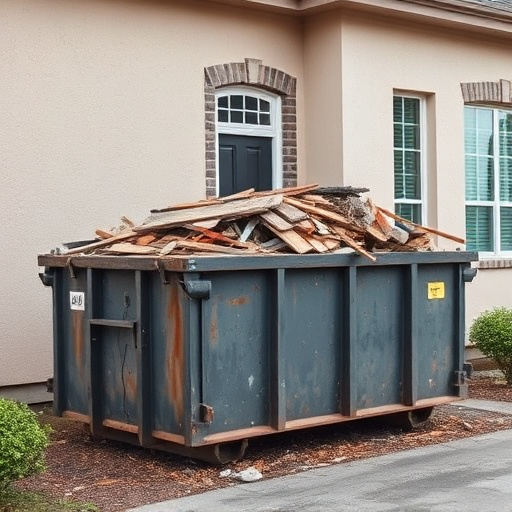
In the complex world of roofing, understanding your bill is crucial, especially when unexpected charges appear. Homeowners in Tucson often find themselves perplexed by the various costs associated with roof repairs or replacements, particularly for tear-offs, disposals, and upgrades. These processes, while essential for a durable roof, can significantly impact your wallet. This article aims to demystify these charges, focusing on the cost to re underlay tile, a common expense in Tucson's roofing landscape. We'll guide you through the factors influencing these costs, helping you make informed decisions and ensuring you know what to expect from your roofing contractor.
- Understanding Tear-Offs: The Initial Step in Roof Replacement
- Disposal Methods: Eco-Friendly Options for Old Roofing Materials
- Upgrading Your Roof: What to Expect in the Cost to Re-Underlay Tile
- Beyond the Bill: Strategies to Optimize Roofing Project Budget
Understanding Tear-Offs: The Initial Step in Roof Replacement
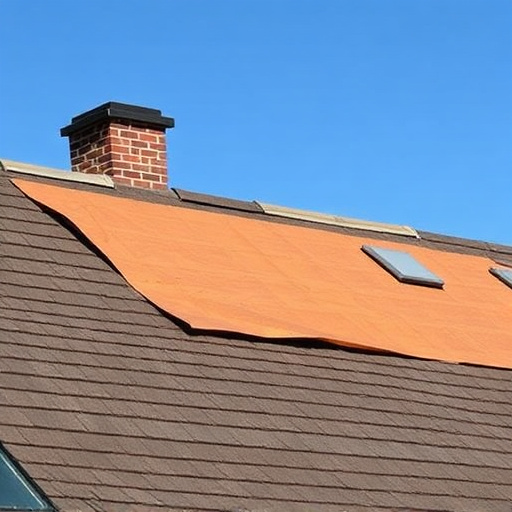
When considering a roof replacement, understanding the tear-off process is crucial. A tear-off, or complete roof removal, is often the first step in installing a new roof. This initial phase involves carefully removing the existing roofing materials, preparing the substrate, and ensuring the area is ready for new shingles or roofing material. In Tucson, the average cost of a tear-off can range from $1.50 to $3.00 per square foot, depending on factors like roof size, existing materials, and labor rates. Local contractors in Pima County typically charge competitive labor rates, making up a significant portion of the overall tear-off cost.
The cost to re underlay tile, for instance, is a crucial component of a tear-off. This involves replacing the old underlayment with new, water-resistant material to protect the roof deck. The price of underlayment can vary, with synthetic underlayments often more expensive than felt options. However, the investment in a high-quality underlayment pays off in the long run, as it extends the life of your new roof. Proper disposal of the old roofing materials is another essential aspect. Contractors in Tucson are required to follow certain regulations for disposing of materials like asphalt shingles, ensuring they don't end up in local landfills. Dumpster fees can add to the overall tear-off cost but are a necessary expense for a clean and responsible job.
As you plan your roof replacement, consider the age of your home and the condition of the existing roof. Older homes might require more extensive tear-offs, especially if the original roofing materials are no longer viable. An experienced Tucson roof specialist can provide valuable insights into the expected costs and timeline for a complete tear-off and replacement. By understanding these initial steps and the associated costs, homeowners can make informed decisions and budget accordingly for their roofing project.
Disposal Methods: Eco-Friendly Options for Old Roofing Materials
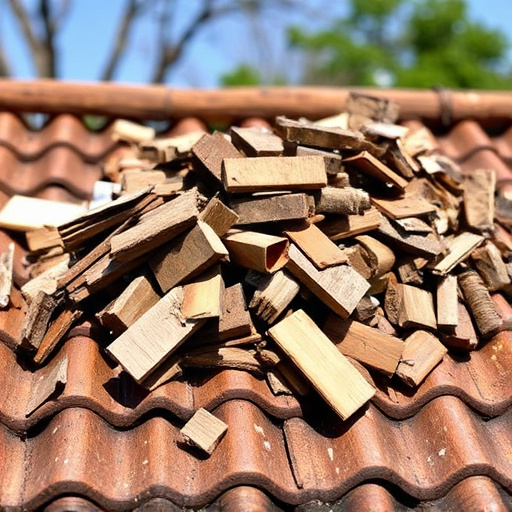
For disposal methods for old roofing materials, sustainability is a key consideration. In Arizona, with its strict building codes and growing emphasis on eco-friendly practices, understanding how these materials are handled can significantly impact both your budget and the environment. Many homeowners in Tucson are opting for environmentally conscious roofing solutions, which often involve the recycling or proper disposal of old shingles.
DC Roofing of Arizona, a licensed Tucson roofing contractor with an Arizona ROC license, typically offers multiple disposal options. The most common method is to recycle asphalt shingles, which can be reprocessed into new shingles or used as road base. This process reduces the need for new raw materials and minimizes waste. Another eco-friendly approach is the removal and proper disposal of old underlayment. The cost to re underlay tile, for example, is a factor that homeowners should consider. It's not just about replacing the underlayment but ensuring it's removed and disposed of responsibly, adhering to local environmental regulations. This is particularly important in Tucson, where certain roofing materials may be prohibited or regulated due to their impact on the region's unique climate and ecosystem.
To recycling and proper disposal, some materials may be suitable for repurposing. Metal roofs can often be melted down and used in new metal roofing applications. This not only reduces the cost of new materials but also diverts metal from landfills. When considering a roof replacement, it's crucial to weigh these options. Insurance deductibles, for example, may vary depending on the method chosen. Some insurers offer discounts for eco-friendly practices, making these options even more appealing. A well-planned roofing project in Tucson can lead to significant energy savings and a reduced carbon footprint while also providing a more sustainable and potentially cost-effective roof for your home.
Upgrading Your Roof: What to Expect in the Cost to Re-Underlay Tile
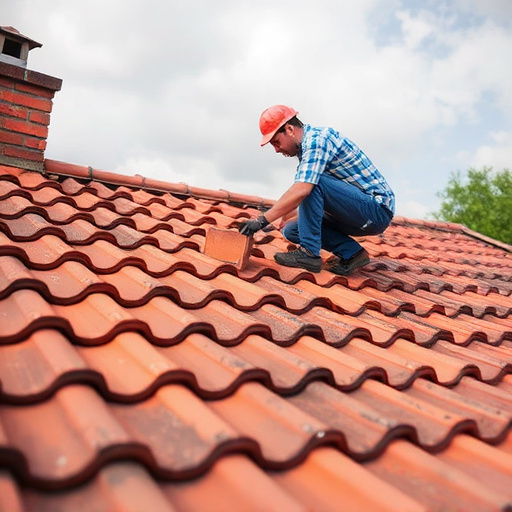
When considering an upgrade to your roofing, one of the most direct and significant changes you can make is switching to a re-underlayment. This process involves removing the existing underlayment and replacing it with a new layer, enhancing the roof's overall protection. In Midtown Tucson, a local Tucson roofing company often includes the cost to re underlay tile in their bids, reflecting both the labor involved and materials.
The labor rates for re-underlayment vary based on the complexity of the job and your roof's size. In Tucson, these rates typically range from $1.50 to $3.00 per square foot. For a standard residential roof, this could add up to several hundred dollars in labor costs alone. Permits, another essential aspect, usually range from $50 to $150, depending on your city's regulations. These costs can significantly impact the overall price of the project, especially for larger homes.
Before agreeing to any project, understand that the cost to re underlay tile includes not just labor but also the disposal of the old underlayment. This process is regulated, and reputable contractors will ensure proper disposal according to local environmental guidelines. Synthetic underlayments may be recyclable, while felt underlayments often need to be disposed of as construction waste. Some roofing companies may offer synthetic underlayment options, which can reduce disposal costs and provide longer-lasting protection against moisture.
When budgeting, remember that the cost to re underlay tile is an investment in your home's longevity. A well-installed re-underlayment can protect against leaks, mold, and wood rot, extending the life of your roof. This upgrade is especially beneficial for homes in Tucson's climate, where extreme heat and occasional cold snaps can stress roofing materials. By factoring in these costs and understanding the labor and permit requirements, homeowners can make informed decisions and ensure they receive the best value for their investment.
Beyond the Bill: Strategies to Optimize Roofing Project Budget
When you receive a roofing bill for a project in Northwest Tucson, understanding the breakdown is crucial, especially for the costs associated with tear-offs, disposal, and upgrades. These elements often represent a significant portion of the overall expense, so being aware of their inclusion is key to budgeting effectively and optimizing your roofing project.
Tear-Offs and Disposal: In Tucson, a typical roofing project involves removing the old roofing material, a process known as a "tear-off." The cost to re-underlay tile, for instance, is a critical component of this phase. The price varies based on the type of underlayment used, the size of the roof, and labor rates. For a standard asphalt shingle tear-off and disposal, homeowners can expect to pay between $1.50 and $3.00 per square foot, depending on the local market. This cost is usually included in the overall roofing bid, but it's essential to review the contract to confirm. The City of Tucson may also have permits and disposal fees that add to the total, so checking with local authorities is wise.
Upgrades and Value-Added Services: Many roofing contractors in the area, like DC Roofing of Arizona, offer upgrades and additional services that can enhance the long-term value of your home. Upgrading from a standard underlayment to a more robust spray polyurethane foam (SPF) can provide superior insulation and water protection. SPF installation costs roughly $0.50 to $1.00 per square foot, adding a valuable energy-saving component to your roof. Another upgrade could be the addition of a radiant barrier, which helps reflect heat and can reduce cooling costs. These upgrades not only improve your home's efficiency but also contribute to a more sustainable and comfortable living environment.
To stay on budget, homeowners should thoroughly review their roofing contract and communicate openly with their contractor. Asking about the breakdown of costs for tear-offs and disposal can prevent surprises. By understanding these elements, you can make informed decisions, ensure a transparent project, and ultimately manage your roofing project's budget more effectively.
Frequently Asked Questions About an explainer on how tear off, disposal and upgrades show up on a roofing bill
What is a tear-off in roofing? A tear-off refers to the complete removal of an existing roof system, including the roofing material, underlayment, and any other components. This process is typically performed when a roof is old, damaged, or not energy-efficient, and it's necessary to install a new roofing system.
Why is disposal important on a roofing bill? Proper disposal of roofing materials is crucial for environmental sustainability and safety. Old roofing materials often contain hazardous components, such as asbestos or lead. Responsible disposal ensures these materials are handled and recycled appropriately, preventing environmental harm and potential health risks to workers and neighbors.
How are tear-off and disposal costs calculated? The cost of tear-off and disposal is typically included in the overall roofing project cost. It's based on the quantity and type of materials removed. DC Roofing of Arizona, for instance, charges a flat rate for tear-off based on the square footage of the roof, with an additional fee for hazardous material disposal, as required by local regulations.
What upgrades can be included in a roofing bill? Roofing bills can include various upgrades to enhance the functionality, aesthetics, and energy efficiency of your roof. These might include new roofing materials (like energy-efficient metal or luxury shingles), better underlayment, ventilation systems, solar panels, or a more robust drainage system. Upgrades often add to the overall project cost but can provide long-term benefits, such as reduced energy bills and improved home value.
How do I know if an upgrade is necessary? Regular roof inspections by a licensed Tucson roofer, like DC Roofing, can help determine if upgrades are needed. They'll assess the condition of your current roof, its age, and local weather patterns to advise on necessary changes. If your roof is old and prone to leaks, an upgrade to a more durable material or a better ventilation system might be recommended.
Can I get a breakdown of costs for each service? Absolutely. A detailed roofing quote from a local roofing company like DC Roofing of Arizona will break down the cost for each service, including tear-off, disposal, and upgrades. This ensures you understand where your money is going and allows you to prioritize services based on your budget and needs.
When tackling a roof replacement project in Tucson, understanding the breakdown of your roofing bill is crucial. This article has demystified the components that show up on your bill, focusing on three key areas: tear-offs, disposal, and upgrades.
First, tear-offs are a necessary initial step in roof replacement, involving the removal of old shingles, underlayment, and sometimes the roof deck. This process can vary in cost, depending on the roof's age, size, and the type of materials used. A complete tear-off and disposal of an older asphalt shingle roof can range from $1,500 to $3,000, while a more recent installation might be slightly less expensive.
Next, proper disposal of old roofing materials is an eco-friendly consideration. Local regulations and the type of material determine disposal methods, with recycling and landfill options available. The article highlights the importance of asking your contractor about their disposal practices, ensuring they adhere to Tucson's guidelines and promote sustainable building.
Upgrading your roof's underlayment can significantly impact the long-term performance and energy efficiency of your home. The cost to re-underlay tile is a direct reflection of the type of underlayment chosen-felt or synthetic-and the size of your roof. While synthetic underlayments offer superior durability and energy savings, they carry a higher upfront cost compared to felt.
By understanding these three elements-tear-off, disposal, and upgrades-homeowners in Tucson are empowered to make informed decisions during their roofing projects. The insights provided in this article offer a solid foundation for navigating the roofing bill, ensuring projects stay on budget and within the desired timeline.
When considering a roof replacement in Tucson, understanding the tear-off process is crucial. The cost to remove old roofing materials, prepare the substrate, and dispose of them, along with the cost to re underlay tile, can range from $1.50 to $3.00 per square foot. Proper disposal, including eco-friendly options like recycling and responsible removal of old underlayment, is a significant factor. An experienced Tucson roof specialist can provide insights into costs and timelines for a complete tear-off and replacement. Budgeting for these initial steps ensures a transparent and effective roofing project.