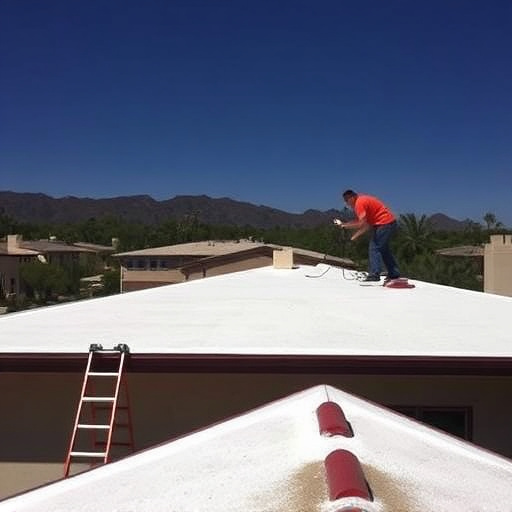
Roofing prices in Tucson can vary widely, leaving homeowners confused and on a tight budget struggling to save up for a roof. Understanding the factors that influence these costs is crucial for making informed decisions. From the type of material to the size of your home, each element plays a role in determining your unique roofing price. This guide breaks down these factors, offering insights to help you prepare for the costs ahead, especially when saving up for a roof. By the end, you'll be equipped to navigate the process, make informed choices, and ensure a quality roof for your Tucson home.
- Understanding Tucson's Roofing Cost Factors
- Material Choices: Impact on Your Budget
- Labor Rates: Who Sets Them in Tucson?
- Saving Up: Tips for Responsible Roof Replacements
Understanding Tucson's Roofing Cost Factors
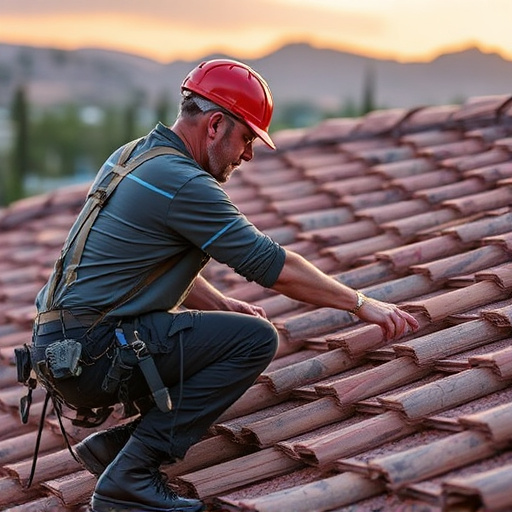
In southern Arizona, particularly in Tucson, understanding the factors that influence roofing prices is crucial for homeowners looking to save up for a roof. The cost of a roofing project can vary significantly based on several key factors. First, the size of the roofing square-the total area of the roof-is a primary determinant. Larger homes with more complex rooflines will generally require more materials and labor, driving up the overall cost. A 2,000-square-foot home with pitched roofs and multiple levels will cost more to roof than a 1,000-square-foot flat roof.
The choice of roofing material also plays a significant role. Traditional asphalt shingles are a cost-effective option, with prices ranging from $1.50 to $3.50 per square foot, depending on the quality and style. Architectural shingles, which offer enhanced durability and a more sophisticated appearance, start at around $5 per square foot and can reach up to $10 or more for premium products. Tile roofs, known for their longevity and aesthetic appeal, are at the higher end of the spectrum, with prices beginning at approximately $8 per square foot and rising to $20 or more for custom designs.
Another critical factor is the type of underlayment used. Synthetic underlayments, which offer superior protection against moisture and extreme temperatures, cost around $1 to $3 per square foot. Felt underlayments, a more traditional choice, are typically less expensive, ranging from $0.50 to $2 per square foot. Labor rates, which vary based on the contractor's experience and the project's complexity, also significantly impact the final cost. A licensed Arizona roofer will charge different rates for simple tear-off and replacement jobs compared to more intricate projects involving structural repairs or complex roof designs. When saving up for a roof, homeowners should budget for these variables and consider the long-term benefits of high-quality materials and expert installation.
Material Choices: Impact on Your Budget

When considering the cost of roofing in southern Arizona, the materials you choose can significantly impact your budget. In Tucson, the average roof replacement project ranges from $6,000 to $12,000, depending on several factors, including the roof's size, pitch, and the materials used. Let's examine the material choices that can make a substantial difference in your roofing expenses.
Asphalt shingles, a common and cost-effective option, typically fall at the lower end of the price spectrum. They are a popular choice for many homeowners due to their affordability and relatively easy installation process. However, their lifespan is shorter compared to other materials, which may lead to more frequent replacements over time. On the other hand, concrete tile roofs offer a more durable solution but come at a higher price tag. These tiles are known for their longevity and resistance to severe weather conditions, making them a wise investment for long-term savings. In fact, a well-installed concrete tile roof can last 50 years or more, offering significant value in the long run.
Standing seam metal roofing is another premium option that has gained popularity in the region. This style, characterized by its smooth, interlocking panels, provides exceptional wind resistance and a modern aesthetic. The initial cost may be higher, but metal roofs are known for their durability, requiring less frequent replacements. A metal roof could last 30 to 50 years or more with proper maintenance, making it a cost-effective choice for homeowners saving up for a roof that will stand the test of time. When considering the cost, it's also essential to factor in the disposal and tear-off costs associated with different materials. Some materials, like asphalt shingles, are more readily recyclable, while others, like concrete tiles, may require specialized disposal methods.
When making a decision, consult with a licensed Tucson roofing contractor to understand the specific costs and benefits of each material based on your home's unique needs. Remember, the right choice depends on your budget, the local climate, and your personal preference for style and durability. By considering these factors, you can make an informed decision that aligns with your saving up for a roof plan.
Labor Rates: Who Sets Them in Tucson?
In southern Arizona, labor rates play a significant role in shaping the overall cost of roofing projects, especially in Tucson where skilled laborers are in demand. Unlike the price of materials, which can be relatively consistent across the region, labor costs are set by local contractors and are subject to market fluctuations. Understanding how these rates are determined is crucial for homeowners saving up for a roof, as it can significantly impact the total project budget.
In Tucson, labor rates for roofing work are influenced by several factors. One key element is the availability and cost of skilled laborers with valid Arizona ROC licenses. Since many Tucson roofing contractors rely on a competent, specialized workforce, high demand for these workers can lead to increased labor rates. The need for skilled roofers might rise during peak seasons or when there's a surge in home construction projects. The complexity of a roofing job can affect labor costs. Specialized tasks, such as installing a standing seam metal roof or repairing a concrete tile roof, often require more skilled labor and, therefore, command higher rates.
When saving up for a roof, homeowners should be aware that labor costs can vary widely between contractors. It's essential to obtain multiple bids from licensed Arizona roofers to understand the full spectrum of prices. This process allows homeowners to negotiate and secure a fair rate. Homeowners can consider the long-term savings of choosing a contractor with consistent, competitive labor rates. While initial costs might be slightly higher, ongoing energy savings and the longevity of a well-installed roof can make it a wise investment.
Saving Up: Tips for Responsible Roof Replacements
When saving up for a roof replacement, understanding the factors that influence pricing is crucial. In southern Arizona, roofing costs can vary based on several elements, and being aware of these can help you make informed decisions. One of the key aspects is the type of roofing material you choose, which significantly impacts the overall price. A concrete tile roof, known for its durability, tends to have a higher upfront cost compared to traditional asphalt shingles. However, its longevity often justifies the initial investment.
A licensed Arizona roofer, like those at DC Roofing of Arizona, serving Tucson and Oro Valley, will provide transparent pricing based on your specific needs. They can offer a range of options, from traditional materials to innovative solutions like spray polyurethane foam (SPF). SPF, for example, is a popular choice for commercial properties due to its energy-efficient properties, but it may have a higher cost than standard materials. The City of Tucson permits and regulations also play a role; ensuring your roofing project complies with local codes can add to the overall price.
Budgeting for a roof replacement involves considering both the material and labor costs. Labor rates in Tucson can vary depending on the complexity of the project and the roofer's experience. A tear-off and disposal service, which is often necessary when replacing an old roof, can significantly impact the total price. Therefore, when saving up, it's essential to get multiple bids from different contractors to understand the full scope of expenses. This process allows you to compare not only prices but also the quality of work and the reputation of the roofing companies involved.
Frequently Asked Questions About an explainer on the factors that raise or lower a roofing price in southern Arizona
What determines the cost of roofing repairs in Tucson? The price of roofing repairs in Tucson is influenced by several factors. The primary determiners include the type and complexity of the repair, the size and condition of the roof, the cost of materials, and the labor involved. Replacing a missing shingle versus repairing a leak due to damaged underlayment will have different price tags.
How does the location of the property affect roofing costs? Southern Arizona's varying climates and terrains play a significant role. Properties in areas prone to extreme weather conditions, such as heavy storms or intense sun, may require more durable materials and more complex installations, driving up costs. Accessing remote locations can increase labor fees.
Are there any local regulations or permits that impact roofing prices? Absolutely. Tucson's building codes and permits can affect pricing. Certain roofing materials or styles may require permits, and compliance with these codes adds to the cost. Local regulations on waste disposal and recycling can indirectly influence the price by affecting how contractors manage material removal.
What is the average cost of a complete roof replacement in Oro Valley? The average cost for a complete roof replacement in Oro Valley, similar to Tucson, can range from $5,000 to $10,000, depending on the roof's size, material, and complexity. This estimate doesn't include additional costs for permits, debris removal, or specialized work, which can further increase the total.
How do seasonal fluctuations impact roofing prices? Seasonal demand plays a crucial role. In southern Arizona, peak roofing seasons typically occur after heavy storms or during the summer when people realize they need to protect their homes. During these times, labor and material costs may be higher due to increased demand. Planning repairs during off-peak seasons can sometimes lead to better pricing.
Can I get a free estimate for roofing work? Yes, most licensed roofing contractors in southern Arizona offer free estimates. This service allows property owners to get a clear idea of the cost before committing to any work. Be sure to ask about this option when contacting a potential contractor.
Understanding the factors that influence roofing prices in southern Arizona, from material choices to labor rates, is crucial for any homeowner considering a roof replacement. By making informed decisions and saving up for a roof, you can understand roofing costs effectively. Key takeaways include recognizing the impact of roof size, the cost differential between materials like asphalt shingles, tile, and metal, and the importance of labor rates set by licensed Tucson roofers.
When saving up for a roof, it's beneficial to compare bids from different contractors, ensuring you get a fair price for the project's scope. Considering the timing of your installation-for instance, during the summer months-can affect costs, as well as understanding the long-term value a quality roof brings to your home. By balancing these factors and planning accordingly, you can make a substantial investment in your home's protection and curb appeal.
In southern Arizona, including Tucson, roofing costs vary based on several key factors:
- Roof Size and Pitch: Larger, more complex roofs cost more.
- Roofing Material: Asphalt shingles are cost-effective, while architectural and tile roofs are more expensive, with tile roofs offering longevity but a higher upfront cost.
- Underlayment: Synthetic underlayments are more protective and cost around $1-$3/sq ft, while felt underlayments are cheaper at $0.50-$2/sq ft.
- Labor Rates: Varies based on contractor experience and project complexity. Licensed Arizona roofers charge different rates for simple vs. Intricate jobs.
When saving up for a roof, consider material lifespan, disposal costs, and get multiple bids for transparent pricing.