Tucson's climate demands robust roof ventilation and insulation to combat intense heat and sudden monsoons. Investing in quality ventilation reduces energy bills by lowering attic temperatures and preventing moisture damage. Insulation with R-values of 30 or higher is crucial for comfort and cost savings. Tucson roofing cost varies, with tile roofs being premium and metal roofing offering excellent value. Proper maintenance and strategic insulation choices balance upfront costs with long-term savings, making affordable Tucson roofing cost achievable.
In Tucson’s diverse climate, proper roof ventilation and insulation are paramount for energy efficiency, preventing damage, and ensuring indoor comfort year-round. However, many homes lack adequate solutions, leading to elevated energy bills, accelerated roofing deterioration, and unsightly mold growth. Understanding the intricate balance between ventilation, insulation, and local weather patterns is crucial for making informed decisions. This article delves into the science behind effective Tucson roofing cost-neutral strategies that not only enhance your home’s value but also contribute to a more sustainable future.
- Understanding Tucson's Unique Roofing Needs
- The Benefits of Quality Roof Ventilation
- Insulation Options for Optimal Energy Efficiency
- Tucson Roofing Cost: Budgeting for Top-Tier Protection
Understanding Tucson's Unique Roofing Needs
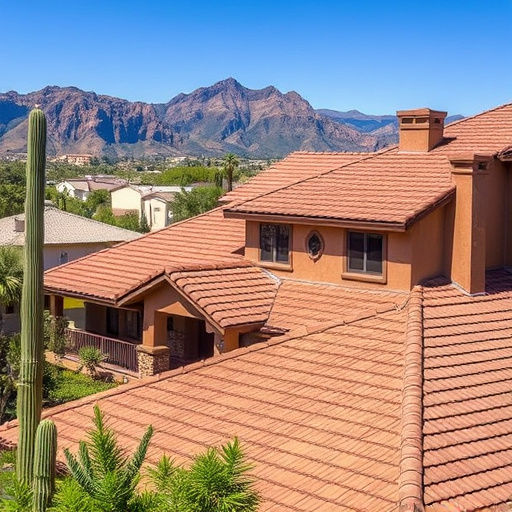
Tucson’s unique climate presents specific challenges for roofing systems. With an average annual temperature of around 79°F (26°C) and over 300 days of sunshine, the city experiences intense heat that can lead to increased roof wear and tear. Additionally, the region’s occasional monsoons bring sudden bursts of strong winds and heavy rainfall, putting roofs under significant strain. These environmental factors underscore the need for quality roof ventilation and insulation—essential components that work in harmony to maintain optimal indoor comfort while mitigating structural damage.
Understanding these local conditions is crucial when considering Tucson roofing cost. While the initial investment in affordable roof pricing may vary depending on the project’s scope, incorporating efficient ventilation systems can significantly reduce long-term costs by preventing costly repairs related to water damage or heat-induced degradation. For instance, proper insulation and ventilation can curb the formation of condensation, which not only extends the lifespan of a roof but also saves on energy bills associated with air conditioning. According to recent studies, homes with well-insulated and ventilated roofs enjoy up to 20% lower energy consumption compared to those without these features.
Moreover, Tucson’s roofing market offers various options for affordable roof pricing without compromising quality. Local contractors often provide tailored solutions that consider the region’s specific needs, ensuring both cost-effectiveness and durability. For homeowners looking to modernize their properties, investing in advanced ventilation systems can be a game-changer. Not only do these upgrades enhance energy efficiency but they also contribute to creating healthier living spaces by improving indoor air quality. By prioritizing these considerations, Tucson residents can expect not just roofs that withstand the area’s harsh conditions but also those that offer sound value for their investment.
The Benefits of Quality Roof Ventilation
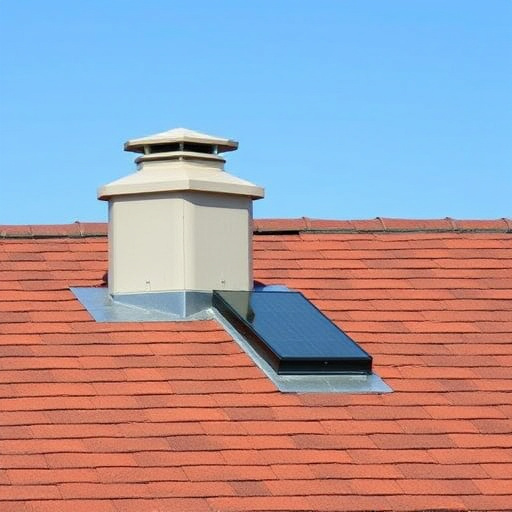
In Tucson’s diverse climate, quality roof ventilation plays a pivotal role in maintaining comfortable indoor spaces. With temperatures soaring above 100°F during the summer months, proper ventilation helps regulate attic temperatures, reducing the strain on air conditioning systems. This not only lowers energy bills but also extends the lifespan of your cooling equipment. According to a study by the U.S. Department of Energy, well-ventilated attics can reduce summer heat gain by up to 40%, significantly impacting overall home comfort and energy efficiency.
Investing in quality roof ventilation isn’t just about cooling benefits; it’s also crucial for moisture control. Efficient ventilation helps prevent condensation buildup, which can lead to mold growth and structural damage. In a city like Tucson, where high humidity levels are common, proper ventilation acts as a shield against these issues. Moreover, by reducing the risk of moisture-related problems, you save on costly repairs and maintenance, making affordable roof pricing a wise investment in the long run.
The benefits extend further still. Quality roof ventilation contributes to improved indoor air quality by facilitating the outflow of stale air and the entry of fresh outdoor air. This natural exchange helps maintain optimal air quality standards within your home, enhancing overall health and well-being. When considering Tucson roofing cost, it’s essential to remember that preventive measures like these can significantly reduce future expenses related to repairs, replacements, and health concerns. By prioritizing proper ventilation and insulation, homeowners can enjoy a comfortable, energy-efficient, and healthy living environment without breaking the bank on affordable roof pricing.
Insulation Options for Optimal Energy Efficiency
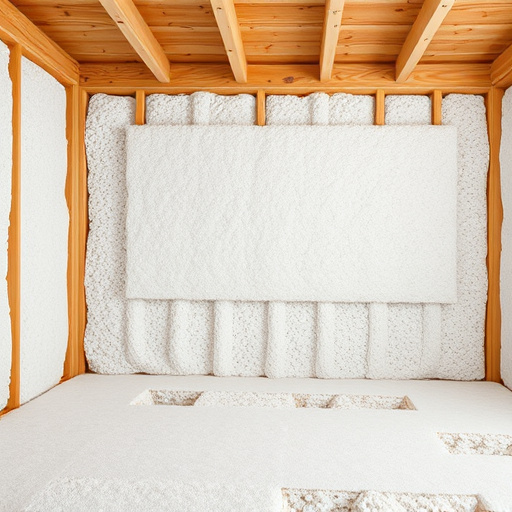
In Tucson, optimal energy efficiency for your home starts with strategic roof ventilation and insulation. When considering insulation options, the choices available can significantly impact your property’s performance and your utility bills. The right insulation not only reduces heat transfer but also enhances air quality by preventing excessive moisture buildup in the attic. For a city known for its sunny climate, efficient insulation is not just a recommendation, but a necessity to maintain a comfortable indoor environment year-round.
One of the most effective insulation strategies involves selecting materials tailored to Tucson’s unique conditions. Fiberglass and cellulose are popular choices due to their affordability and effectiveness in blocking heat. Both options offer excellent insulation values, with R-values ranging from R30 to R49, making them suitable for attics in this region. For instance, according to the U.S. Department of Energy, proper attic insulation can save homeowners up to 20% on heating and cooling costs. In terms of Tucson roofing cost, these materials represent an affordable roof pricing solution, with installation typically costing between $1 and $3 per square foot, depending on the thickness and type chosen.
Additionally, reflective or radiant barriers are valuable additions to insulation systems. These barriers reflect heat back into the living space during summer months, reducing the load on air conditioning units. During winter, they act as a secondary defense against heat loss, further enhancing energy efficiency. Incorporating these advanced measures may slightly increase initial Tucson roofing cost, but the long-term savings on utility bills make them a sound investment. By prioritizing insulation options that cater to the local climate, homeowners can achieve significant energy conservation without compromising comfort or overspending on affordable roof pricing solutions.
Tucson Roofing Cost: Budgeting for Top-Tier Protection
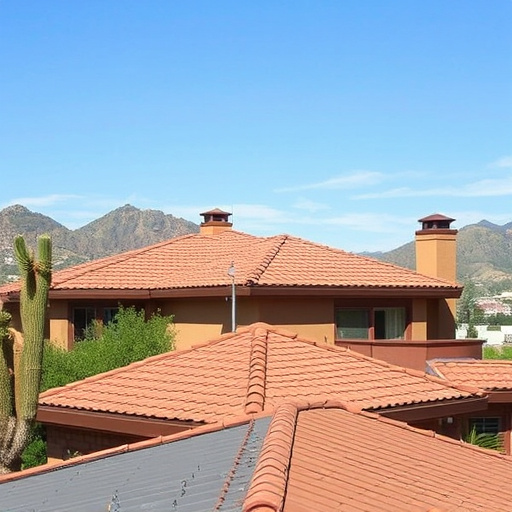
In Tucson, quality roof ventilation and insulation are paramount considerations for any homeowner. The region’s unique climate, characterized by hot summers and mild winters, demands robust protection against extreme temperatures. A well-ventilated and insulated roof can significantly reduce energy bills, enhance indoor comfort, and prolong the lifespan of your roofing system. However, navigating the Tucson roofing cost landscape can be challenging due to varying material choices, labor rates, and market dynamics. Understanding affordable roof pricing is crucial for making informed decisions that balance quality and budget.
According to recent industry reports, the average cost of a new roof in Tucson ranges from $5,000 to $15,000, with premium options reaching upwards of $20,000. This wide range underscores the importance of setting a realistic budget and prioritizing needs over wants. For instance, while tile roofs offer superior aesthetics and durability (typically priced at the higher end), metal roofing alternatives provide excellent value for money due to their longevity and lower maintenance requirements—often falling in the middle to lower range of Tucson roofing cost estimates.
When budgeting, it’s essential to consider not just the initial installation but also ongoing maintenance costs. Quality ventilation systems, for example, require periodic cleaning and inspection to maintain optimal performance. Proper insulation, likewise, should be chosen based on your climate needs—a R-value of 30 or higher is recommended for Tucson’s hot-summer conditions. By balancing upfront investment with long-term savings, homeowners can secure top-tier protection without compromising their budgets. Moreover, exploring incentives and rebates from local utilities or government programs can further offset the Tucson roofing cost, making affordable roof pricing a realistic goal for many residents.
In conclusion, understanding Tucson’s unique roofing needs is paramount when aiming for both optimal energy efficiency and managing tucson roofing cost. The article highlights several key insights: first, quality roof ventilation plays a crucial role in mitigating heat buildup, extending roof lifespan, and improving indoor air quality. Second, strategic insulation options can significantly reduce energy consumption and associated costs. By recognizing Tucson’s specific challenges, homeowners can make informed decisions regarding insulation and ventilation choices, ultimately enhancing their properties’ value and comfort levels while budgeting effectively for roofing expenses.