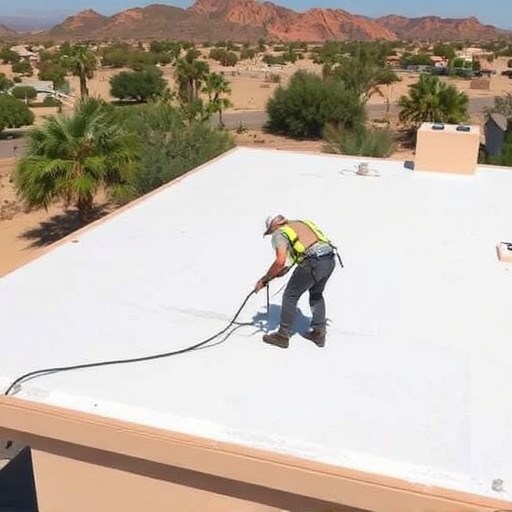
In southern Arizona, understanding the factors that influence roofing prices is crucial for homeowners looking to balance the cost of repairs with long-term energy savings. With varying materials, labor rates, and project scopes, the price of a new roof or repair can be a complex puzzle. This article demystifies these costs, focusing on the key drivers that can raise or lower your roofing bill. We'll explore everything from the impact of roof material choices and home age to seasonal fluctuations and the value of energy-efficient upgrades. By the end, you'll be equipped to make informed decisions, ensuring your roofing project aligns with your budget and delivers the best possible return, including significant energy savings.
- Understanding Tucson Roofing Market Dynamics
- Key Components Driving Roof Price Upward
- Factors Lowering Your Arizona Roof Installation Cost
- Balancing Energy Savings with Roof Cost
Understanding Tucson Roofing Market Dynamics
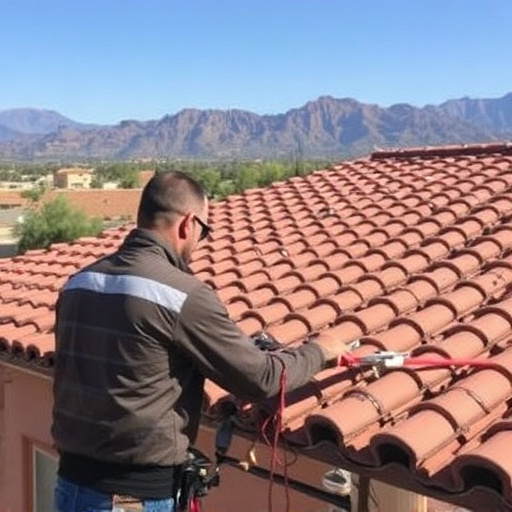
The roofing market in southern Arizona, particularly in Tucson, is influenced by several factors that can significantly impact the cost of a project. Understanding these dynamics is crucial for homeowners looking to replace their roofs, especially when considering the integration of solar panels. The average roof cost in Tucson can vary widely depending on the type of material, the size of the structure, and the complexity of the work involved. A simple re-roofing job using asphalt shingles might cost around $5,000 to $8,000, while a more elaborate project with tile or metal roofing could easily exceed $15,000.
One primary factor driving these variations is the choice of roofing material. Tile roofs, for instance, are often considered premium due to their durability, aesthetic appeal, and longer lifespan compared to asphalt shingles. However, they tend to be more expensive upfront, with installation costs potentially reaching $10,000 or more for a typical home. In contrast, foam roofing, while offering excellent insulation and energy savings, can be less expensive to install than traditional shingles. The underlayment choice, whether synthetic or felt, also plays a role; synthetic underlayments offer better protection and can extend the roof's life but come at a higher cost compared to felt.
Another significant factor is the age and condition of the existing roof. Older roofs may require more extensive repairs and tear-off services, which can add to the overall project cost. Removing an old, damaged roof with underlayment and disposing of the waste properly incurs additional expenses, often around $1,000 to $2,000. The complexity of the job can impact labor rates, which are a substantial portion of the total roofing cost. DC Roofing of Arizona, a licensed local contractor, charges anywhere from $40 to $70 per square foot for labor, depending on the project's scope.
Energy savings, while not a direct cost component, is a critical consideration in the Tucson roofing market. Homes with energy-efficient roofs, such as those with reflective coatings or advanced insulation, may see lower utility bills, offsetting some of the initial investment. Homeowners should also factor in the potential increase in home equity from a well-maintained, modern roof. Lastly, dumpster fees for disposing of old roofing materials can add up, especially for larger projects. Planning and budgeting for these potential costs can help homeowners secure the best value for their investment, ensuring a smooth transition to a new, solar-ready roof.
Key Components Driving Roof Price Upward
In southern Arizona, particularly in Northwest Tucson, the price of a roof is influenced by several key components, which can significantly impact the overall cost for homeowners. One of the primary factors is the roofing square, or the total area of the roof to be covered. The larger the square footage, the more materials and labor are required, naturally driving up the price. A typical 2,000-square-foot roof in Tucson might cost $10,000 to $15,000, while a 4,000-square-foot roof could easily surpass $20,000, depending on the roofing material chosen and the complexity of the job.
Roof pitch, or the angle at which the roof is designed to shed water, is another critical aspect. Steeper pitches generally require more labor-intensive materials, such as specialized underlayments and flashings, which can add to the overall cost. A roofing contractor serving Tucson and Oro Valley will often factor the pitch into the bid, suggesting options tailored to the specific roof geometry. A 4:12 pitch, common in many residential properties, may be less expensive to construct than a 6:12 or steeper roof, assuming all other factors are equal.
The type of roofing material chosen matters in pricing. In contrast, metal roofs, while offering excellent longevity, can be installed at a lower upfront cost compared to tile. Energy savings, a growing consideration for homeowners, can be factored into the decision. Metal and concrete tile roofs, due to their reflective properties, can significantly reduce cooling costs in the summer, offsetting the higher initial cost over the roof's life.
Factors Lowering Your Arizona Roof Installation Cost
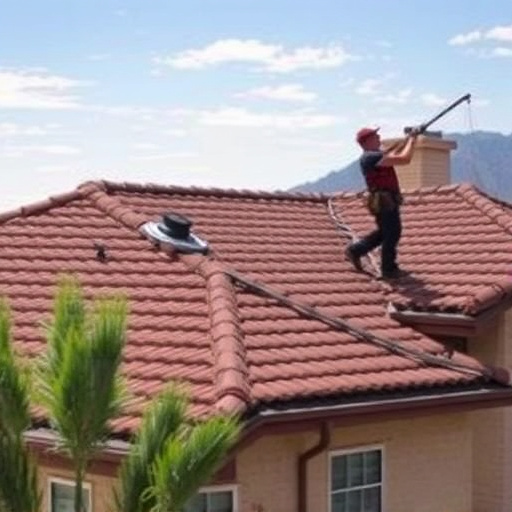
In southern Arizona, the cost of roof installation can vary greatly, but there are several factors that can lower your expenses. One of the most significant influences is the roofing material chosen. Asphalt shingles, a common and cost-effective option, typically range from $35 to $75 per square-a roofing square equals 100 square feet of surface area-making them an affordable choice for many homeowners. In contrast, concrete tiles, known for their durability and aesthetic appeal, carry a higher price tag, often exceeding $150 per square. Metal roofs, another durable option, fall in the middle, usually costing around $70 to $150 per square.
The size of your roof and the labor rates in your area also play a critical role. Larger roofs, such as those on ranch-style homes in Northwest Tucson, will naturally incur higher costs due to the increased material and installation time. Labor rates can vary depending on the contractor; a roofing contractor serving Tucson and Oro Valley may charge more for their services compared to a nearby competitor. It's essential to get multiple bids to understand the market rate for your region.
Another factor to consider is the efficiency of the roofing system. Standing seam metal roofs, for instance, offer superior wind resistance and can last longer than traditional shingles, potentially reducing long-term maintenance costs. Energy-efficient roofing materials can lower your energy bills. While the upfront cost might be higher, the savings over time can offset the initial investment, especially in a climate like Tucson where summer temperatures can soar. This is where energy savings vs. Roof cost becomes a significant consideration for homeowners.
Balancing Energy Savings with Roof Cost
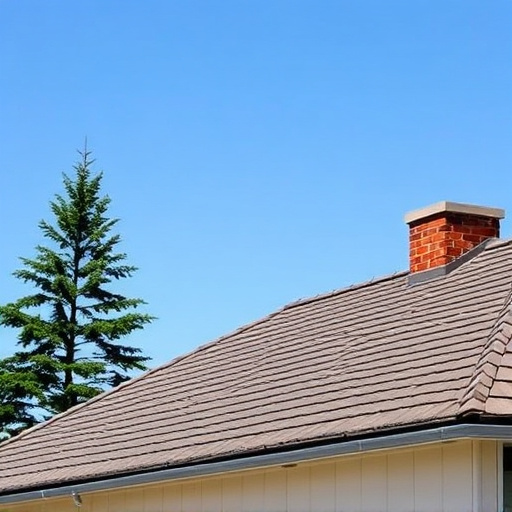
When balancing energy savings with roof cost in southern Arizona, homeowners often face a delicate trade-off. A new roof can significantly impact both your home's value and your utility bills. Clay tile roofs, for instance, are known for their durability and energy efficiency, but they carry a higher upfront cost than traditional materials like asphalt shingles. Understanding these dynamics is crucial when making a decision, especially if you're considering a renewable energy system like solar panels.
The cost of a new roof is influenced by several factors, each playing a role in the final price tag. Energy savings vs roof cost is a complex equation. On one hand, investing in a high-performance roofing material like clay tiles can lower your heating and cooling expenses over time. However, this benefit needs to be weighed against the initial investment. DC Roofing of Arizona, a local roofing specialist, often points out that long-term savings, combined with potential home equity gains, can make the upgrade a smart financial move.
Financing options can also alter the equation. Some lenders offer specialized programs for energy-efficient home improvements, providing low-interest loans or even grants to offset the cost. Homeowners in Oro Valley and Marana have access to such programs, making it easier to justify the investment. It's important to explore these avenues, as they can significantly change the energy savings vs roof cost dynamic. A homeowner with a traditional roof might find that financing a clay tile upgrade is more feasible than they initially thought, thanks to these incentives.
Frequently Asked Questions About an Explainer on the Factors That Raise or Lower a Roofing Price in Southern Arizona
What factors influence the cost of roofing repairs in Oro Valley?
Several key factors determine the price of roofing repairs in Oro Valley, Arizona. First, the extent of the damage plays a significant role. Minor repairs, like replacing a few missing shingles, are less expensive than extensive damage requiring partial or complete roof replacement. Second, the roof's size and pitch impact the labor and material costs. Larger roofs or those with steeper angles usually cost more to fix. Weather conditions and local labor availability also factor in; adverse weather can delay repairs and increase labor rates, especially if skilled workers are scarce. The type of roofing material-asphalt, tile, metal-has a price range, with some materials being more durable (and thus more expensive) than others. Finally, the contractor's pricing structure and the specific requirements of the repair job will contribute to the overall cost.
How does the type of roofing material affect the price?
The type of roofing material used is a significant determinant of cost. Asphalt shingles, the most common choice in southern Arizona due to their affordability and suitability for the local climate, are relatively inexpensive to install and repair. However, they have a shorter lifespan compared to materials like ceramic tiles or metal roofing, which are more durable but come at a higher upfront cost. Specialized materials, such as slate or copper, are the most expensive, offering exceptional longevity but also a substantial price premium.
Can I save money by doing some of the roofing work myself?
While some homeowners opt to tackle minor roofing tasks themselves to save money, it's essential to consider the overall cost-effectiveness. DIY repairs might seem cheaper, but they can be time-consuming and may not match the quality of professional work, leading to future issues. Most roofing contractors offer competitive rates, and the expertise they bring ensures the job is done correctly, preventing costly mistakes or safety hazards.
How important is the contractor's experience in setting prices?
A contractor's experience is crucial in setting prices and ensuring quality. Experienced roofers have honed their skills, which translates to more efficient work and potentially lower labor costs. They can also identify potential issues that might arise, ensuring the repair job is comprehensive. Seasoned professionals are better equipped to handle complex repairs, which can save time and money in the long run. When comparing prices, consider the contractor's experience and the reputation of their work.
Do seasonal fluctuations impact roofing prices?
Seasonal variations can indeed influence roofing prices. In southern Arizona, the peak roofing season is typically during the cooler months when weather conditions are more favorable for extensive repairs or installations. During these times, labor costs and material prices might rise due to increased demand. Conversely, off-peak seasons may offer lower rates, but availability could be an issue as contractors may have fewer resources dedicated to these periods.
What is the average cost of a roofing repair in Oro Valley?
The average cost of a roofing repair in Oro Valley, Arizona, varies based on the factors mentioned above. Minor repairs can range from $200 to $1,000, while more substantial jobs could cost between $3,000 and $8,000 or more. It's essential to obtain detailed quotes from several contractors to understand the specific price range for your repair needs.
Navigating the Tucson roofing market requires understanding a balance of factors that drive up or down the price. Key components like roofing material (asphalt shingles, concrete tile, metal), roof size, and labor rates significantly impact the final cost. The age of your home, the complexity of the job, and energy-saving considerations like radiant barriers and efficient underlayments play crucial roles. By considering these factors, homeowners can make informed decisions, ensuring they get the best value for their investment while also factoring in the long-term energy savings versus the initial roof cost. The article highlights the importance of comparing bids, managing project timing, and budgeting wisely, ultimately empowering readers to make strategic choices in their roofing projects.
In southern Arizona, including Tucson, the cost of a roof replacement is influenced by material type (e.g., asphalt shingles, tile, metal), roof size, complexity, local labor rates, and energy-saving features. Energy savings vs roof cost is a critical consideration. While premium materials like tile are more expensive upfront, they offer long-term energy efficiency and increased home value. Asphalt shingles are cost-effective but less energy-efficient. Financing options and incentives, such as low-interest loans or grants, can make high-performance roofs more affordable. Homeowners should weigh these factors to make an informed decision, especially when considering solar panel integration.