
In the complex world of roofing, understanding your bill is crucial, especially for unexpected costs. Many homeowners in Tucson find themselves baffled by charges related to tear-off, disposal, and upgrades during a roof replacement or repair. These items, though essential for quality and safety, can significantly impact the overall project expense. This article aims to explain these charges, especially the varied costs of a two-layer roof removal, a common practice in Tucson's diverse roofing landscape. We'll break down the factors driving these expenses, helping you navigate your bill with confidence and make informed decisions.
- Understanding Two Layer Roof Removal Process
- Disposal Costs: What to Expect
- Common Upgrades for Better Protection
- Decoding Your Roofing Bill: A Step-by-Step Guide
Understanding Two Layer Roof Removal Process
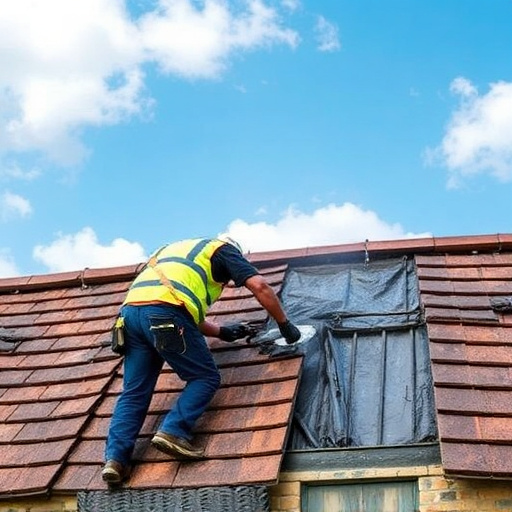
When a roof needs replacing, many homeowners are surprised to see "two layer roof removal" listed as a line item on their roofing bill. This often-overlooked service is crucial for a successful and durable new roof, and understanding its cost and importance is key. The process involves carefully removing the existing roof system, layer by layer, to ensure a clean slate for the new roofing material. This method is especially critical when removing older shingles or tiles, like clay tile or concrete tile, to avoid damaging the underlayment or sheathing.
A licensed Arizona roofer will assess the existing roof structure and determine the best approach. For a typical home, two layer removal can take 1-2 days. The first layer involves removing any existing underlayment, such as felt or synthetic, and discarded responsibly according to local regulations. This step is crucial for preventing moisture intrusion and ensuring a leak-free roof. The second layer involves carefully peeling off the old shingles or tiles. In some cases, this may involve chipping away at the adhesive that holds them in place, especially with older concrete or clay tiles.
The cost of two layer roof removal varies based on the roof size, the type of roofing material being removed, and local permit fees. On average, in Tucson, homeowners can expect to pay between $1.50 and $3.00 per square foot for this service. For a large ranch home, the cost could easily exceed $5,000. These costs may also include disposal fees for the old roofing materials. Proper disposal is not only environmentally responsible but also ensures that hazardous materials, like asbestos, are handled safely.
Disposal Costs: What to Expect

When you receive a roofing bid, understanding the breakdown of costs is crucial, especially for disposal and any required upgrades. These factors, often referred to as "tear off" and "removal" costs, play a significant role in the overall price of a roofing project, especially in our region. In Tucson, the labor rates and disposal fees can vary depending on the complexity of the job, the type of roof being removed, and local environmental regulations.
A "two-layer roof removal" is a common term for projects involving the complete removal of an existing roof system. This process includes tearing off the old shingles or tiles, removing the underlayment, and properly disposing of the waste. The cost of this service can range from $1.50 to $3 per square foot, depending on the scope of the project and local labor rates. For a typical 1,500 square foot home, this could amount to a disposal cost of $2,250 to $4,500. These figures are approximate and can be influenced by the need for additional services, like cleaning or scrap metal removal.
A roofing contractor serving Tucson and Oro Valley will typically include these disposal costs in their bid. They are an essential part of the project's overall budget, as they ensure proper environmental management. This is a significant expense, but it's a necessary one to protect both the environment and the property value. Energy-efficient materials and proper disposal can contribute to a roof's longevity, which translates to better value over the roof's lifespan, often exceeding 20 years in our climate.
Common Upgrades for Better Protection

When you receive a roofing bill, you might be surprised to see various charges for tear-off, disposal, and upgrades. These are essential components of any roofing project, especially when aiming for better protection. Let's break down these costs and understand why they're crucial.
A new roof often involves removing the old one, which is known as a tear-off. This process, especially for a two-layer roof removal, incurs labor costs, which can vary based on the project's complexity and the local labor rates. A typical tear-off might include stripping off old shingles, underlayment, and any damaged or loose materials. DC Roofing of Arizona, a licensed Tucson roofing contractor, charges $1.50 to $2.50 per square foot for tear-off services, depending on the complexity.
Disposal is another critical aspect, as it involves safely removing and disposing of the old roofing materials. This service is often bundled with the tear-off, and the cost can be factored into the overall bid. For a typical residential project, disposal fees range from $50 to $150, depending on the amount of material and local disposal regulations.
Now, let's discuss upgrades. Incorporating better underlayment, such as synthetic underlayment over traditional felt, can significantly enhance a roof's durability and protection. Clay tile roofs, for example, often require a more robust underlayment system. The cost of upgrading underlayment materials can range from $0.50 to $2.00 per square foot, depending on the type chosen. Some homeowners opt for additional protective layers, like radiant barriers, which can further increase the overall cost but also offer long-term energy savings.
Remember, these charges are essential for a thorough and durable roofing job. Always discuss these options with your contractor, as they can provide valuable insights tailored to your home's specific needs.
Decoding Your Roofing Bill: A Step-by-Step Guide
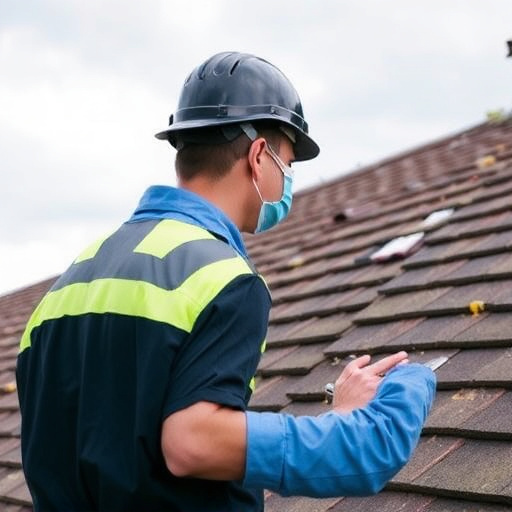
When you receive a roofing bill, it's essential to understand the various components that make up the total cost. Among the line items, you'll often find "tear off," "disposal," and "upgrades." These are critical aspects of any roofing project, each with its own impact on your budget and the overall lifespan of your roof.
Let's break down each term. Tear off refers to the process of removing an existing roof, which can be a significant undertaking. This is particularly true for older homes, where a two-layer roof removal (removing both the old roofing material and the underlayment) might be necessary. The cost of this process is reflected in your bill and can vary depending on the roof's size and complexity. A typical tear-off in Tucson might range from $1.50 to $2.50 per square foot, with larger, more intricate homes costing more.
Disposal is another critical element, as it involves the removal and responsible dumping of your old roofing materials. Asphalt shingles, for example, require specialized disposal methods because they contain harmful chemicals. The cost of disposal is often bundled with the tear-off service, but it's a crucial component in your overall roofing expense.
Upgrades can dramatically impact your roofing bill. This includes anything from improving the underlayment to adding energy-efficient materials or advanced waterproofing systems. Switching from a standard synthetic underlayment to a more robust, two-layer system can add to the cost. However, these upgrades can also extend the roof's lifespan and provide better protection against leaks and weather damage.
A roofing contractor serving Tucson and Oro Valley will itemize these services to ensure you understand where your money is going. It's essential to ask questions if anything seems unclear. Remember, a well-maintained roof is an investment, and understanding your bill is a crucial step in making the most of that investment.
Frequently Asked Questions About an Explainer on How Tear Off, Disposal and Upgrades Show Up on a Roofing Bill
What is a tear-off roof replacement? A tear-off involves removing the existing roof entirely before installing a new one. This method is common when roofs are significantly damaged, aged, or not suitable for repair. The process includes taking off the old shingles, underlayment, and any other materials, preparing the roof deck, and then installing new roofing materials.
Why is a tear-off necessary? A tear-off is needed when the current roof is beyond repair, has severe damage, or is an outdated material. It ensures a fresh start for the new roofing system, allowing for better performance, improved aesthetics, and enhanced energy efficiency.
How is the cost of a tear-off roof replacement calculated? The cost for a tear-off is determined by the size of the roof, the complexity of the job, the type of materials used, and labor costs. It includes the removal of the old roof, disposal fees for old materials, and the cost of new materials and labor for installation. A detailed estimate is provided by the roofer, outlining each component's price.
What is disposal and how is it included in the bill? Disposal fees cover the cost of removing and properly disposing of the old roofing materials, such as shingles, underlayment, and flashing. This is an essential component of the tear-off process, as it ensures environmental responsibility and complies with local regulations. The roofer will either recycle or dispose of these materials according to industry standards.
Can I request specific upgrades, and how are they charged? Absolutely. Upgrades, such as adding a ridge vent or installing a more advanced underlayment, are additional services that enhance the roof's performance and longevity. These upgrades are reflected on the bill as separate line items with their corresponding costs. It's essential to discuss these options with the roofer during the initial consultation to ensure they are accurately accounted for.
Are there any hidden costs in a roofing bill? While every effort is made to provide a transparent quote, unforeseen circumstances may arise. These could include additional structural repairs, unexpected damage, or changes in material prices. If any significant changes occur, the roofer will discuss them with you, providing a clear explanation and an updated cost estimate.
For understanding your roofing bill, especially after a two-layer roof removal process, knowing what to expect is crucial. Disposal costs, a significant factor in Tucson roofing projects, can vary based on the size of the job and the type of materials involved. A typical tear-off and disposal might include costs for removing old shingles, underlayment, and any damaged fascia, ranging from $1 to $3 per square foot. Upgrades, such as adding a radiant barrier or upgrading to a synthetic underlayment, can significantly impact the final bill. These enhancements not only improve your home's energy efficiency but also extend the life of your new roof.
Decoding your roofing bill involves a step-by-step process: first, identify the removal cost, which includes labor and material for taking off the old roof. Second, assess the disposal fees, which are based on the weight and volume of materials removed. Third, review any upgrade costs, which can enhance your roof's performance and longevity. By understanding these components, homeowners can make informed decisions, ensuring they receive a fair price for their Tucson roofing project. This guide offers a solid foundation for navigating the billing process, empowering you to work closely with contractors and make cost-effective choices.
When replacing a roof, "two layer roof removal" is a crucial service that involves carefully taking off old roofing in layers to protect underlayment and prevent leaks. This process, costing $1.50-$3.00/sq. Ft. In Tucson, is essential for durable new roofs, especially with older materials. It includes removing underlayment and old shingles/tiles, with disposal fees adding to the cost. Understanding these costs, which can reach $5,000+ for large homes, is vital for informed roofing decisions.